अनुच्छेद 14
Article 14
मूल रूप से कर्म शरीयत के हुक्मों के अधीन होते हैं। इसलिए जब तक किसी कर्म का हुक्म मालूम न हो, तब तक उसे नहीं करना चाहिए। इसके विपरीत, जिन चीज़ों का हुक्म मूल रूप से मुबाह (जायज़) है, वे तब तक जायज़ रहती हैं जब तक कोई ऐसा प्रमाण न हो जो उन्हें हराम ठहराए।
Actions are originally bound by the Shari’ah rules. Hence, no action should be undertaken unless its rule is known. The things on the other side are originally Mubah (permitted) as long as there is no evidence that stipulates prohibition.
मुसलमान को आदेश दिया गया है कि वह अपने कार्य शरीयत के नियमों के अनुसार करे। अल्लाह (SWT) कहता है
The Muslim is commanded to conduct his actions according to the Shari’ah rules. Allah (swt) says

“लेकिन नहीं, तुम्हारे रब की क़सम, वे [सच्चे अर्थों में] ईमान नहीं लाएँगे जब तक वे अपने आपसी विवाद में तुम्हें, ऐ मुहम्मद ﷺ, फ़ैसला करने वाला न मान लें।” (TMQ 4:65)। वह (SWT) यह भी कहता है,
“But no, by your Lord, they will not [truly] believe until they make you, [O Muhammad], judge concerning that over which they dispute among.” (TMQ 4:65). He (swt) also says,

"और रसूल ﷺ तुम्हें जो कुछ दें, उसे ले लो, और जिस चीज़ से वे तुम्हें रोकें, उससे रुक जाओ।" (सूरा अल-हश्र 59:7)
“And whatever the Messenger (pbuh) has given you - take; and what he has forbidden you - refrain from.” (TMQ 59:7).
इसलिए मूल नियम यह है कि मुसलमान अपने आप को शरीअत के अहकाम तक सीमित रखे। इसके अलावा शरीअत का सिद्धांत कहता है: "शरीअत के आने से पहले कोई हुक्म नहीं"। दूसरे शब्दों में, किसी भी चीज़ पर उससे संबंधित अल्लाह (सुबहानहु व तआला) के हुक्म के आने से पहले कोई हुक्म नहीं लगाया जाना चाहिए। अतः अल्लाह (सुबहानहु व तआला) के हुक्म के आने से पहले किसी चीज़ पर कोई हुक्म नहीं लगाया जाना चाहिए। इसका मतलब यह है कि उस पर मुबाह (जायज़) होने का हुक्म भी नहीं लगाया जाना चाहिए, क्योंकि इबाहा (अनुमति) स्वयं एक शरई हुक्म है जो शारेअ (विधायक) के खिताब (संबोधन) के ज़रिये स्थापित होना ज़रूरी है; अन्यथा उसे शरई हुक्म नहीं माना जा सकता। ऐसा इसलिए है क्योंकि शरई हुक्म इबादत करने वालों के कामों से संबंधित शारेअ का कलाम (वचन) है। इसलिए जो चीज़ शारेअ के खिताब में वर्णित नहीं हुई, उसे शरई हुक्म नहीं माना जा सकता। अतः मुबाह होना किसी निषेध के न होने का नाम नहीं है, बल्कि यह शरई दलील के आने का नाम है जो मुबाह को निर्धारित करती है; दूसरे शब्दों में, शारेअ की ओर से करने या छोड़ने के चुनाव के आने का नाम है। इसलिए मूल नियम शारेअ के कलाम का पालन करना है, इबाहा का नहीं; क्योंकि इबाहा का हुक्म स्वयं शारेअ के कलाम से पुष्टि माँगता है। यह सिद्धांत सामान्य है, जो कामों और चीज़ों दोनों को शामिल करता है। अतः यदि कोई मुसलमान कोई भी काम करना चाहता है, तो उस पर अनिवार्य है कि उस काम से संबंधित अल्लाह (सुबहानहु व तआला) के हुक्म का पालन करे। इसलिए उसे तब तक वह हुक्म खोजना चाहिए जब तक वह उसे जान न ले और उसका पालन न करे। इसी प्रकार यदि कोई मुसलमान किसी चीज़ को लेना या देना चाहता है, चाहे वह वस्तु कोई भी हो, तो उस पर अनिवार्य है कि उस वस्तु के संबंध में अल्लाह (सुबहानहु व तआला) के हुक्म का पालन करे। अतः उसे तब तक वह हुक्म खोजना चाहिए जब तक वह उसे जान न ले और उसका पालन न करे। यही वह बात है जिसकी ओर आयतें और हदीसें अपने शाब्दिक संकेत और उनकी समझ में इशारा करती हैं। इसलिए, किसी मुसलमान के लिए यह हराम है कि वह शरीयत के हुक्म के अलावा किसी और चीज़ के अनुसार कोई कार्य करे या किसी भी बात पर अमल करे; बल्कि उस पर वाजिब है कि वह हर कार्य और हर मामले में शरीयत के हुक्म का पालन करे। अल्लाह (سبحانه وتعالى) ने... [SWT] Note: The source text ends mid-sentence ("After Allah (swt) revealed"), so the translation follows that.
Therefore, the origin is that the Muslim restricts himself to the Shari’ah rules. Besides that the Shari’ah principle states: “No rule before the advent of Shari’ah”. In other words, no matter should be given any rule whatsoever before the advent of the rule of Allah (swt) pertaining it. Hence, before the advent of Allah’s (swt) rule, no matter should be given any rule. This means that it should not be given the rule of permissibility, for the Ibaha is a Shari’ah rule that must be established through the address of the Legislator; otherwise it cannot be considered a Shari’ah rule. This is so because the Shari’ah rule is the speech of the Legislator related to the actions of the worshippers. Therefore, anything that has not been mentioned in the address of the Legislator cannot be considered a Shari’ah rule. Therefore, permissibility is not the non-advent of a prohibition, it is rather the advent of Shari’ah evidence stipulating the Mubah (permitted); in other words, the advent of the choice from the Legislator to either undertake or abstain. Therefore, the origin is the abidance by the speech of the Legislator, not the Ibahah; because the rule of Ibahah itself requires a confirmation from the speech of the Legislator. This principle is general, covering the actions and the things. So if a Muslim wanted to perform any action, it would be incumbent upon him to abide by the rule of Allah (swt) pertaining that action. Therefore, he must search for that rule until he knows it and abides by it. In the same manner if a Muslim wanted to take or give anything, whatever that object may be, it is incumbent upon him to abide by the rule of Allah (swt) regarding that object. So he must search for that rule until he knows it and abides by it. This is what the verses and the hadith have indicated in their literal indication and their understanding. Therefore, it is forbidden for a Muslim to undertake any action or to act towards anything upon other than the Shari’ah rule; rather he is obliged to abide by the Shari’ah rule in every action he undertakes and in every matter. After Allah (swt) revealed

"आज मैंने तुम्हारे लिए तुम्हारा दीन सम्पूर्ण कर दिया, और तुम पर अपनी नेमत पूरी कर दी, और तुम्हारे लिए इस्लाम को दीन के रूप में पसंद कर लिया।" (TMQ 5:3), और इसके बाद वह (swt) फ़रमाता है,
“This day I have perfected for you your religion and completed My favor upon you and have approved for you Islam as religion.” (TMQ 5:3), and after He (swt) says,
“और हमने आप पर किताब उतारी है, जो हर चीज़ का स्पष्टीकरण है।” (TMQ 16:89), न तो कोई एक कर्म छोड़ा गया है और न ही कोई एक वस्तु, सिवाय इसके कि अल्लाह (swt) ने उसके हुक्म की दलील बयान कर दी है। और किसी के लिए, इन दोनों आयतों को समझने के बाद, यह दावा करना हराम है कि कुछ कर्म, कुछ चीज़ें या कुछ स्थितियाँ शरीअत के हुक्म से ख़ाली हैं; यानी शरीअत ने उन्हें पूरी तरह नज़रअंदाज़ कर दिया और इसलिए वह उस पर कोई दलील या निशानी नियत करने में नाकाम रही, जो मुकल्लफ़ (जिस पर शरीअत के आदेश लागू होते हैं) का ध्यान इस शरीअत के हुक्म की मौजूदगी की ओर खींचे; दूसरे शब्दों में, वह इल्लत (कारण) जो मुकल्लफ़ व्यक्ति को, जिसे उस पर अमल करना है, हुक्म बताए: क्या यह वाजिब है, या मंदूब, या हराम, या मकरूह, या मुबाह? ऐसा दावा और इसके समान कोई भी बात शरीअत पर लांछन माना जाता है। इसलिए किसी के लिए यह कहना हराम है कि अमुक कर्म जायज़ है क्योंकि उससे संबंधित कोई शरई हुक्म बयान नहीं हुआ, और सिद्धांत यह है कि जिसका शरई हुक्म बयान न हो वह जायज़ होना चाहिए; और इसी तरह किसी के लिए यह कहना जायज़ नहीं कि यह वस्तु जायज़ है क्योंकि उससे संबंधित कोई शरई दलील नहीं है, इसलिए जब तक शरई दलील न हो तब तक मूल रूप से वह मुबाह है। यह दावा करना हराम है, क्योंकि हर कर्म और हर वस्तु की शरीअत में अपनी दलील है; व्यक्ति को चाहिए कि उस कर्म या वस्तु से संबंधित अल्लाह (swt) का हुक्म खोजे, उसे ग्रहण करे और उस पर अमल करे, न कि इस बहाने से उसे जायज़ ठहराए कि उसकी कोई दलील नहीं है।
“And We have sent down to you the Book as clarification for all things.” (TMQ 16:89), neither one single action, nor one single object has been left except that Allah (swt) has explained the evidence for its rule, and it is forbidden for anyone, having understood these two verses, to claim that some actions, some things or some situations are devoid of the Shari’ah rule; meaning that Shari’ah has completely ignored it and ,therefore, it failed to designate an evidence or a sign to draw the attention of the obligated to the presence of this Shari’ah rule, in other words, the presence of an Illah that indicated the rule to the person obligated to abide by it; is it Wajib, or Mandub, or Haram, or Makruh or Mubah? Such a claim and anything similar is considered a slander against Shari’ah. Therefore, it is forbidden for anyone to claim that such action is permitted because no Shari’ah rule related to it has been mentioned and the principle is that if no Shari’ah rule is mentioned it must be permitted, and in the same way it is not permitted for anyone to say that this object is permitted because there is no Shari’ah evidence related to it so the origin is permissibility if there is no Shari’ah evidence. It is forbidden to claim this because every action and everything has its evidence in Shari’ah; one must search for the rule of Allah (swt) pertaining to the action or the object to take it and apply it as opposed to making it permitted under the pretext that there is no evidence for it.
हालाँकि, चूँकि शरीअत का हुक्म (शारे' का कलाम) उपासकों के कर्मों से संबंधित होता है, इसलिए यह कलाम उपासक के कर्म से संबंध रखने के लिए आया है, न कि वस्तु (object) से संबंध रखने के लिए। यह कलाम वस्तु से उसके उपासक के कर्म से जुड़े होने के कारण संबंध रखता है। अतः कलाम मूल रूप से उपासक के कर्म को संबोधित करता है, और वस्तु उपासक के कर्म से जुड़ी हुई आती है। यह उस स्थिति में भी है जब कलाम कर्म के बारे में हो और उसमें वस्तु का कोई उल्लेख बिल्कुल न हो, जैसे अल्लाह (SWT) का यह फ़रमाना:
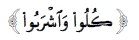
"खाओ और पियो" (TMQ 2:60), या यह ऐसी वस्तु के बारे में आया है जिसमें क्रिया का कोई उल्लेख ही नहीं है, जैसे अल्लाह (SWT) का यह कहना:
“Eat and drink” (TMQ 2:60), or it has come regarding the object without any mention of the action whatsoever, such as Allah (swt) saying

"तुम पर हराम की गई हैं: मुर्दार, खून और सूअर का मांस।" (क़ुरआन 5:3)। इसके अनुसार, इन तीनों चीज़ों पर निषेध का नियम केवल इबादत करने वाले के कार्य के संबंध में है, यानी खाना, खरीदना, बेचना, किराए पर लेना और अन्य कार्य। अतः शरीअत का हुक्म इबादत करने वाले के कार्य से संबंधित है, चाहे यह कार्य का हुक्म हो या वस्तु का हुक्म। इसी कारण कार्यों में मूल स्थिति को (शरीअत के हुक्म तक) सीमित रखा जाना चाहिए, क्योंकि संबोधन केवल इबादत करने वाले के कार्य से संबंधित है।
“Prohibited to you are dead animals, blood, the flesh of swine.” (TMQ 5:3). Accordingly, the rule of prohibition in these three things is only in relation to the action of the worshipper in terms of eating, buying, selling and hiring and other actions. Therefore, the Shari'ah rule deals with the action of the worshipper, whether this were a rule for the action or a rule for the object. This is why the origin in actions is to be restricted (to the Shari’ah rule) because the address is only related to the action of the worshipper.
लेकिन शरीयत के हुक्मों के विस्तृत प्रमाणों की गहराई से जाँच करने पर यह स्पष्ट हो जाता है कि जिन नुसूस (पाठों) को हुक्मों के प्रमाण के रूप में पेश किया गया है, उनमें वह पाठ जो कर्म (फ़ेल) के लिए प्रमाण है और वह पाठ जो वस्तु (मह़ल) के लिए प्रमाण है, संबोधन के ढंग की दृष्टि से अलग-अलग स्थिति में होते हैं। कर्म से संबंधित पाठ में संबोधन केवल कर्म की ओर किया जाता है, चाहे उसकी वस्तु का उल्लेख हो या न हो। उदाहरण के लिए, अल्लाह (SWT) फ़रमाता है,
However, by scrutinising the elaborated evidences of the Shari’ah rules, it becomes clear that within the texts which have come as evidences of the rules, the state of the text that acts as an evidence for the action is different to the state of the text that acts as evidence for the object, in terms of the manner in which the address is directed. In the text related to the action, the address is directed to the action alone, regardless of whether the object is mentioned or not. For instance, Allah (swt) says,

"अल्लाह ने व्यापार को हलाल किया है और ब्याज को हराम ठहराया है।" (TMQ 2:275) और वह (SWT) फ़रमाता है,
“Allah has permitted trade and has forbidden interest.” (TMQ 2:275) And He (swt) says,

"ऐ ईमान वालो, उन काफ़िरों से लड़ो जो तुम्हारे आस-पास हैं।" (TMQ 9:123) और वह (SWT) फ़रमाता है,
“O you who have believed, fight those adjacent to you of the disbelievers.” (TMQ 9:123) And He (swt) says,
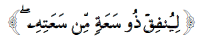
"धनवान व्यक्ति को अपनी धन-सम्पत्ति में से ख़र्च करना चाहिए।" (सूरा अत-तलाक़ 65:7) और वह (SWT) फ़रमाता है,
“Let a man of wealth spend from his wealth.” (TMQ 65:7) And He (swt) says,
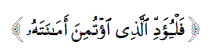
"और यदि तुम में से कोई एक दूसरे पर भरोसा करे, तो जिस पर भरोसा किया गया है वह अमानत को [ईमानदारी से] अदा करे।" (TMQ 2:283) और अल्लाह (SWT) कहता है,
“And if one of you entrusts another, then let him who is entrusted discharge his trust [faithfully].” (TMQ 2:283) And Allah (swt) says,
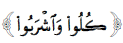
"खाओ और पियो" (TMQ 2:60)। और अल्लाह के रसूल ﷺ ने फ़रमाया।
“Eat and drink” (TMQ 2:60). And the Messenger of Allah (pbuh) said.
.» الْبَ يِّ عَانِ بِالْخِيَارِ مَا لَمْ يَ تَ فَرَّقَا «.
.» الْبَ يِّ عَانِ بِالْخِيَارِ مَا لَمْ يَ تَ فَرَّقَا «.
“दोनों पक्षों को व्यापारिक लेन-देन में (उसे रद्द करने का) अधिकार है, जब तक वे अलग नहीं हो जाते।” इब्न उमर और अन्य से यह मुत्तफ़क़ अलैह है। और उन्होंने कहा।
“Both parties in a business transaction have the righ (the choice to annul it) so long as they have not separated.” agreed upon through Ibn Umar and others. And he said.
.» أَعْطُوا الأَجِيرَ أَجْرَه «.
.» أَعْطُوا الأَجِيرَ أَجْرَه «.
"मज़दूर को उसकी मज़दूरी दो" — इब्न माजा ने इब्न उमर से और अल-बैहक़ी ने अबू हुरैरा से इसे रिवायत किया है, और अल-बग़वी ने इसकी सनद को हसन करार दिया है। इन सभी रिवायतों में संबोधन कर्म पर किया गया है, और कर्म की वस्तु (मफ़ऊल) का उल्लेख नहीं हुआ है। और दूसरे उदाहरणों में अल्लाह (swt) फ़रमाता है,
“Give the worker his wage” reported by Ibn Maja through Ibn Umar and Al-Bayhaqi through Abu Hurayrah with a chain that was deemed as Hasan by Al-Baghawi. In all of these texts, the address has been directed at the action, and the object has not been mentioned. And in other examples, Allah (swt) says,

“और हर एक से तुम ताज़ा गोश्त खाते हो।” (TMQ 35:12)। और वह (SWT) फ़रमाता है,
“And from each you eat tender meat.” (TMQ 35:12). And He (swt) says,
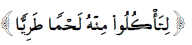
“उसमें से ताज़ा (कोमल) माँस खाने के लिए।” (TMQ 16:14)। और वह (SWT) कहता है,
“To eat from it tender.” (TMQ 16:14). And He (swt) says,

"और उसके द्वारा उसने अनाज उगाया, और उसमें से वे खाते हैं।" (TMQ 36:33)। और वह (SWT) कहता है,
“And brought forth from it grain, and from it they eat.” (TMQ 36:33). And He (swt) says,

"निस्संदेह, जो लोग अनाथों का माल अन्यायपूर्वक खाते हैं।" (तर्जुमा क़ुरआन 4:10) और अल्लाह (SWT) फ़रमाता है,
“Indeed, those who devour the property of orphans unjustly.” (TMQ 4:10).And Allah (swt) says,
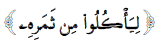
"ताकि वे उसके फल खाएँ।" (TMQ 36:35)। इन सभी में संबोधन कर्म की ओर भी निर्देशित है, यद्यपि कर्ता (वस्तु) का उल्लेख किया गया है, और यह उपासक के कर्म से सीधे संबंधित संबोधन के समान है। यह स्थिति उस पाठ की स्थिति से भिन्न है जो वस्तु से संबंधित है, जहाँ संबोधन केवल वस्तु की ओर निर्देशित होता है, चाहे कर्म उसके साथ उल्लिखित हो या न हो। उदाहरण के लिए अल्लाह (SWT) कहता है
“That they may eat of His fruit.” (TMQ 36:35). The address in all these is also directed at the action, although the object has been mentioned and this is similar to the address related directly to the action of the worshipper. This state is different to the state of the text related to the object, where the address is directed exclusively towards the object, regardless of whether the action was mentioned alongside it or not. For instance Allah (swt) says
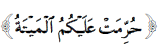
"तुम पर मृत जानवर हराम किए गए हैं।" (TMQ 5:3)। अल्लाह (SWT) यह भी कहता है
“Prohibited to you are dead animals.” (TMQ 5:3). Allah (swt) also says

उसने तुम पर केवल मुर्दार, खून और सूअर का मांस हराम किया है।" (सूरा अल-बक़रा 2:173)। अल्लाह (SWT) यह भी कहता है
He has only forbidden to you dead animals, blood, the flesh of swine.” (TMQ 2:173). Allah (swt) also says
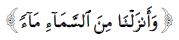
"और हमने आसमान से पानी बरसाया।" (सूरा अल-मोमिनून 23:18)। अल्लाह (SWT) यह भी कहता है
“And We have sent down rain from the sky.” (TMQ 23:18).Allah (swt) also says

“और हमने पानी से हर जीवधारी को बनाया।” (क़ुरआन 21:30)। और अल्लाह के रसूल ﷺ का समुद्र के पानी के बारे में फ़रमान:
“And made from water every living thing.” (TMQ 21:30). Also, the saying of the Messenger of Allah (pbuh) (saw) pertaining the sea water:

“हे ईमान वालो, निश्चय ही शराब, जुआ, पूजा-स्थलों (मूर्तियों/पत्थर की वेदियों) पर बलि चढ़ाना, और भाग्य जानने के तीर, ये सब शैतान के कर्मों की गंदगी के सिवा कुछ नहीं हैं, अतः इनसे बचो ताकि तुम सफल हो सको।” (TMQ 5:90) अल्लाह (SWT) कहता है।
“O you who have believed, indeed, intoxicants, gambling, [sacrificing on] stone alters [to other than Allah], and divining arrows are but defilement from the work of Satan, so avoid it that you may be successful.” (TMQ 5:90). Allah (swt) says

"क्या तुमने वह पानी देखा है जो तुम पीते हो?" (तमक़ 56:68)। अल्लाह (SWT) फ़रमाता है
“Have you seen the water that you drink?” (TMQ 56:68). Allah (swt) says

"क्या तुमने वह आग देखी जिसे तुम सुलगाते हो?" (तर्जुमा-ए-कुरआन 56:71)। अल्लाह (SWT) फ़रमाता है
“Have you seen the fire that you kindle?” (TMQ 56:71). Allah (swt) says

"और खजूर और अंगूर के फलों से तुम नशीली चीज़ बनाते हो।" (TMQ.16:67)। अल्लाह (SWT) कहता है
“And from the fruits of the palm trees and grapevines you take intoxicant.” (TMQ.16:67). Allah (swt) says

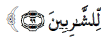
और निश्चय ही, तुम्हारे लिए चौपायों में एक शिक्षा है। हम उनके पेटों में जो कुछ है, उसमें से - गोबर और रक्त के बीच से - तुम्हें शुद्ध दूध पिलाते हैं, जो पीने वालों के लिए स्वादिष्ट है। (TMQ 16:66)
“And indeed, for you in grazing livestock is a lesson. We give you drink from what is in their bellies - between excretion and blood - pure milk, palatable to drinkers.” (TMQ 16:66).
इन सभी पाठों में संबोधन वस्तु की ओर निर्देशित है, यद्यपि क्रिया का उल्लेख हुआ है। ऐसा संबोधन उस वस्तु से संबंधित है; अतः यह उस वस्तु से जुड़े एक हुक्म (नियम) की रूपरेखा है। किंतु इस नियम का उस वस्तु से संबंध इस रूप में प्रकट होता है कि यह उसका हुक्म बंदे के कर्म के संदर्भ में बताता है, न कि बंदे के कर्म से अलग हटकर उस वस्तु के संदर्भ में, क्योंकि किसी वस्तु का कोई हुक्म तब तक सोचा नहीं जा सकता जब तक वह बंदे से संबंधित न हो। इसलिए इस संबोधन के लक्ष्य के निर्धारण के तरीके के संबंध में पाठ की स्थिति में अंतर स्पष्ट हो जाता है।
The address in all of these texts is directed at the object, though the action has been mentioned. Such an address is related to the object; thus it is an outlining of a rule pertaining to that object. However, the rule’s relation to the object is reflected in the fact that it outlines its rule vis-à-vis the action of the worshipper, not vis-à-vis the object detached from the action of the servant, since it is inconceivable for a object to have a rule unless it is related to the servant. Therefore, the difference in the state of the text becomes clear with regard to the manner in which the address is targeted.
यह अंतर इंगित करता है कि यद्यपि शरीयत का हुक्म शरीयत-निर्माता (अश-शारि') की वह वाणी है जो उपासकों के कर्मों से संबंधित है, फिर भी कुछ हुक्म जो विशेष वस्तुओं से संबंधित हैं, उन वस्तुओं के हुक्म को बिना किसी सीमा के स्पष्ट करने के लिए आए हैं, यद्यपि उनका हुक्म उपासक से संबंधित था न कि उपासक से अलग रखकर। गहन विचार से यह संकेत मिलता है कि वस्तुओं के हुक्म एक सामान्य प्रमाण के द्वारा आए हैं, जो बदले में कर्मों के प्रमाण को स्पष्ट करने के लिए आया है, और जो कुछ विशेष रूप से वस्तुओं से संबंधित आया है वह वास्तव में उस सामान्य नियम का अपवाद है जो कर्मों के प्रमाण के माध्यम से उनके लिए प्रमाण के रूप में आया था। इसका कारण यह है कि गहन अध्ययन से पता चलता है कि वह शरीयत-पाठ, जिसमें संबोधन सीधे कर्म को लक्ष्य करके किया गया था, सामान्य शब्दों में आया है। इसलिए, उससे संबंधित सभी वस्तुएँ जायज़ होंगी, क्योंकि करने का आदेश या विकल्प सामान्य था, जिसमें वह सब शामिल है जो इस आदेश के संबंध में जायज़ है, और किसी चीज़ को हराम ठहराने के लिए एक पाठ (प्रमाण) की आवश्यकता होती है। उदाहरण के लिए, अल्लाह (सुबहानहु व तआला) कहता है
This difference indicates that although the Shari’ah rule is the speech of the Legislator related to the actions of the worshippers some rules specified to things have however come to outline the rule of these things in an unrestricted manner, even though their rule was in relation to the worshipper as opposed to being isolated from the worshipper. Through scrutiny, this indication outlines to us that the rules of things have come through a general evidence, which in turn has come to outline the evidence of the actions, and that whatever came specifically related to things is in fact an exception from the general rule which had come as evidence for them through the evidence of the actions. This is so because detailed study has revealed that the Shari’ah text in which the address was directly targeted at the action has come in general terms. Therefore, all the things related to it would be permitted because the request to perform or the choice was general, encompassing all that which is permitted vis-à-vis this request, and the prohibition of something requires a text. For instance, Allah (swt) says

"और उसने तुम्हारे लिए वह सब कुछ वश में कर दिया है जो आसमानों में है और जो ज़मीन में है - सब उसी की ओर से है।" (TMQ 45:13)। इसका मतलब है कि आसमान और ज़मीन की चीज़ें अल्लाह ने हमारे लिए पैदा की हैं, और इसलिए वे जायज़ हैं। अल्लाह (SWT) यह भी कहता है
“And He has subjected to you whatever is in the heavens and whatever is on the earth - all from Him.” (TMQ 45:13). This means that the things in the skies and the earth have been created for us by Allah, and ,therefore, are permitted. Allah (swt) also says
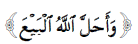
“अल्लाह ने व्यापार को हलाल किया है और ब्याज (सूद) को हराम ठहराया है।” (TMQ 2:275) इसका अर्थ यह है कि अल्लाह (SWT) ने सभी चीज़ों की खरीद और बिक्री को जायज़ ठहराया है; अतः इनमें से किसी भी चीज़ की खरीद-बिक्री की इबाहत (अनुमति) के लिए किसी अलग दलील की ज़रूरत नहीं, क्योंकि सामान्य दलील हर चीज़ को समेट लेती है। इसलिए किसी चीज़ की बिक्री को मना करना, जैसे कि शराब, उसके लिए दलील की ज़रूरत होती है। इसके अलावा, अल्लाह (SWT) फ़रमाता है
“Allah has permitted trade and has forbidden interest (usury).” (TMQ 2:275) which means that Allah (swt) has made the buying and selling of all things permitted; thus the ibahah of selling and buying any of these things does not require an evidence, because the general evidence comprises everything. So, the prohibition of selling something, such as alcohol for instance, requires evidence. Also, Allah (swt) says
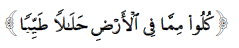
“हे मनुष्यो, धरती पर जो कुछ है उसमें से जो हलाल (वैध) और पाक (उत्तम) है उसे खाओ।” (TMQ 2:168) इसका अर्थ है कि हर चीज़ खाना हलाल है; इसलिए किसी ख़ास चीज़ के खाने के हलाल होने के लिए अलग दलील की ज़रूरत नहीं, क्योंकि आम दलील ने उसे हलाल कर दिया है। किसी चीज़ को खाना हराम ठहराने, जैसे मुर्दार (मरा हुआ जानवर) का मांस, के लिए दलील की ज़रूरत होती है। अल्लाह (SWT) फ़रमाता है
“O mankind, eat from whatever is on earth [that is] lawful and good.” (TMQ 2:168) which means that eating everything is Halal (lawful); thus the eating of a specific item does not require an evidence to make it Halal, because the general evidence has made it Halal. The prohibition of eating something, such as dead meat for instance, requires evidence. Allah (swt) says
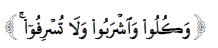
"और खाओ और पियो, लेकिन हद से आगे मत बढ़ो (फ़ुज़ूलख़र्ची मत करो)।" {(TMQ 7:31)} इसका अर्थ यह है कि हर चीज़ का पीना जायज़ है; इसलिए किसी ख़ास चीज़ का पीना जायज़ होने के लिए अलग दलील की ज़रूरत नहीं है, क्योंकि आम दलील ने उसे जायज़ कर दिया है। लेकिन किसी ख़ास चीज़ के पीने की मनाही, जैसे नशीली चीज़ें, के लिए दलील की ज़रूरत होती है।
“And eat and drink, but be not excessive (extravagant).” (TMQ 7:31) which means that the drinking of everything is permitted; thus the drinking of a specific item does not require an evidence to make it permitted, because the general evidence has made it permitted. However, the prohibition of drinking a specific item, such as intoxicants for instance, requires evidence.
इन्हीं के समान, ऐसे सामान्य प्रमाण मिलते हैं जो उन सभी कार्यों से संबंधित हर चीज़ को अनुमत ठहराते हैं जैसे बात करना, चलना, खेलना, सूँघना, साँस लेना, देखना और मनुष्य द्वारा किए जाने वाले अन्य कार्य; अतः इन कार्यों से संबंधित किसी चीज़ की अनुमति के लिए किसी प्रमाण की आवश्यकता नहीं है, किंतु इन कार्यों से संबंधित किसी चीज़ को निषिद्ध ठहराने के लिए प्रमाण की आवश्यकता होती है।
Similar to these, general evidences are found permitting everything related to actions such as talking, walking, playing, smelling, inhaling, looking and other actions which man performs; thus the permission of anything related to them does not require an evidence, but the prohibition of anything related to these actions does require an evidence to make it forbidden.
इसलिए, कार्यों पर लक्षित और ग्रंथों द्वारा प्रस्तुत प्रमाणों ने चीज़ों के हुक्म को सामान्य और अप्रतिबंधित रूप में बयान कर दिया है; इसलिए उनके हुक्म को स्पष्ट करने के लिए उन्हें अन्य ग्रंथों की आवश्यकता नहीं। अतः चीज़ों से संबंधित विशेष ग्रंथों का आना, जबकि इन चीज़ों का सामान्य हुक्म पहले ही स्पष्ट किया जा चुका है, इस बात का प्रमाण है कि ये विशेष हुक्म उन चीज़ों को सामान्य हुक्म से अलग करने के लिए आए हैं। इसी कारण शरीयत के ग्रंथ चीज़ों के शरई हुक्म को स्पष्ट करने के लिए आए हैं, जो यह बताते हैं कि वे जायज़ हैं; अतः वे तब तक जायज़ हैं जब तक उन्हें मना करने वाला कोई ग्रंथ मौजूद न हो। इसी तरीके से शरई उसूल "चीज़ों की असल इबाहत है" निकाला गया है। इस लेख के लिए ये ही प्रमाण हैं।
Therefore, the evidences brought by the texts and targeted at the actions have outlined the rule of things in a general and unrestricted manner; ,therefore, they do not require other texts to outline their rules. Thus, the advent of specific texts related to things, once the general rule of these things had been outlined, serves as evidence that these specific rules have come to exclude the rule of these things from the general rule. Hence, the Shari’ah texts have come to outline the Shari’ah rule pertaining things, denoting that they are permitted; hence, they are permitted unless a text exists to prohibit them. It is in this manner that the Shari’ah principle “The origion of things is ibahah” is derived. These are the evidences for this article.