1.4 متى أُبرمت "المؤاخاة" (ميثاق الأخوة)، ومتى كُتبت الصحيفة (صحيفة المدينة)؟
1.4 When was the “Mu’akhaah” (brotherhood pact) concluded and when was the Sahifah (of Al-Madinah) written?
وَقَدْ كَفَتْ النُّصُوصُ الَّتِي سَبَقَ عَرْضُهَا، وَمِنْهَا نَسْتَنْبِطُ مَا يَلِي:
The texts that have already been presented should be sufficient and from them we deduce the following:
1) الصحيح أن هذه المؤاخاة بين المهاجرين والأنصار لا يمكن أن تكون قد وقعت قبل وفاة أسعد بن زرارة رضي الله عنه، وذلك عند بناء المسجد، بعد قدوم النبي ﷺ بنحو سبعة أشهر. ولا يُتصوَّر أن تكون وقعت في حياته دون أن يُذكر فيها، إذ كان سيد الأنصار وأحد النقباء (النقباء: القادة المختارون من الأنصار في بيعة العقبة الثانية). ولذلك فإن قول أبي عمر بن عبد البر:
1) The correct view is that this brotherhood between the Muhajirin and the Ansar could not possibly have taken place prior to the death of As’ad bin Zurarah (May Allah be pleased with him), during the building of the Masjid, about seven months following the arrival of the Prophet (peace be upon him). It is not conceivable that it took place in his lifetime without him having been mentioned in it, as he was chief of the Ansar and one of the Naqeebs (selected leaders of the Ansar at the second pledge of ‘Aqabah). Therefore, the statement of Abu ‘Umar ibn Abd AlBarr:
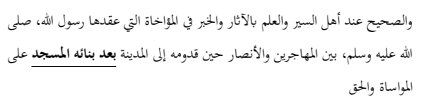
الرأي الصحيح، كما ذهب إليه أهل السير، والأخبار الواردة في شأن «المؤاخاة» التي عقدها رسول الله ﷺ بين المهاجرين والأنصار حين قدم المدينة، أنها كانت بعد بنائه ﷺ للمسجد، وكانت على أساس المؤازرة والنصرة والحق ﷺ …
“The correct view as held by the scholars of Seera and reports in respect to the “Mu’akhaah” (brotherhood) which the Messenger of Allah (peace be upon him) concluded between the Muhajirin (emigrants) and the Ansar (helpers), when he came to Al-Madinah, was that it took place after his building of the Masjid and it was upon the basis of the provision of assistance/support and the Haqq (truth) …” .
وهذا أمر ممكن جدًا، ولا سيما أن إتمام بناء المسجد والاحتفال بافتتاحه كان مناسبةً طيبةً لاتخاذ مثل هذه الخطوة. وإضافةً إلى ذلك، لا بد أن تكون قد اتُّخذت قبل غزوة بدر، لأنه يُذكر فيها عُبيدة بن الحارث (ابن المطلب بن عبد مناف بن قُصي القرشي المطلبي) مع أخيه عُمير بن الحُمام (ابن الجَموح بن زيد بن حرام بن كعب)، وقد استُشهدا كلاهما في غزوة بدر، رضي الله عنهما. كانا أخوين في الحياة وفي الممات، ونرجو من الله أن يكونا كذلك يوم القيامة أيضًا. ٢) والرأي الصحيح أن هذه الأخوة بين المهاجرين والأنصار لم تُكتب في الأصل، إذ إن طبيعتها لا تتفق مع ذلك؛ وذلك لأن الروايات كلها، دون استثناء، لا تذكر وثيقةً مكتوبةً أصلًا. ويكشف النظر في كتب السيرة والتاريخ والحديث عن غياب أي ذكر لميثاقٍ أو وثيقةٍ مكتوبةٍ أو دستورٍ قبل الصحيفة التي كُتبت في المدينة. وكان الاستثناء من ذلك ما يلي:
is very conceivable, and particularly as the completion of the building of the Masjid and the celebration for its opening, represented a good occasion for such a step to be undertaken. I addition, it must have been undertaken prior to the battle of Badr because Ubaida bin Al- Harith (bin Al-Muttalib bin Abd Manaf bin Qusayy Al-Qurashi Al-Muttalibi) is mentioned in it along with his brother ‘Umair bin Al- Humam (bin Al-Jamuh bin Zaid bin Haram bin Ka’b) and they were both martyred at the battle of Badr, may Allah be pleased with them. They were brothers in life and at death, and we hope from Allah that they be like that also, on the Day of Judgement. 2) The correct view is that this brotherhood between the Muhajirin and the Ansar was not written in origin as its nature was incompatible with that. That is because all of the narrations, without exception, do not mention a written document at all. An examination of the books of Seera, history and Hadith reveal the absence of the mention of any charter, written document or code prior to the Sahifah of Al-Madinah. The exception to that included:
أ) الصُّحُفُ (صحائفُ القرآن): ومن أشهر هذه الصحف الصحيفةُ المذكورةُ في إسلام عمر، وكانت تتضمن سورةَ طه. وكذلك الصحيفةُ التي كتبها عمرُ بخطّه وأرسلها إلى هشامِ بنِ العاص، وكان فيها:
a) The pages (Sahaa’if) of the Qur’an: From among the most well- known of these was the Sahifah (written document) mentioned in relation to Umar’s embracing of Islam which included Surah TaHa within it. Also, the Sahifah which ‘Umar wrote by hand and was sent to Hisham bin Al-‘Aas. It contained within it:
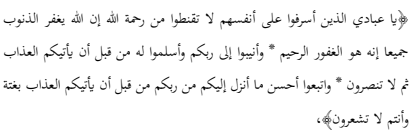
قُلْ يَا عِبَادِيَ الَّذِينَ أَسْرَفُوا عَلَىٰ أَنْفُسِهِمْ لَا تَقْنَطُوا مِنْ رَحْمَةِ اللَّهِ ۚ إِنَّ اللَّهَ يَغْفِرُ الذُّنُوبَ جَمِيعًا ۚ إِنَّهُ هُوَ الْغَفُورُ الرَّحِيمُ وَأَنِيبُوا إِلَىٰ رَبِّكُمْ وَأَسْلِمُوا لَهُ مِنْ قَبْلِ أَنْ يَأْتِيَكُمُ الْعَذَابُ ثُمَّ لَا تُنْصَرُونَ وَاتَّبِعُوا أَحْسَنَ مَا أُنْزِلَ إِلَيْكُمْ مِنْ رَبِّكُمْ مِنْ قَبْلِ أَنْ يَأْتِيَكُمُ الْعَذَابُ بَغْتَةً وَأَنْتُمْ لَا تَشْعُرُونَ
“Say, “O My servants who have transgressed against themselves [by sinning], do not despair of the mercy of Allah. Indeed, Allah forgives all sins. Indeed, it is He who is the Forgiving, the Merciful”. And return [in repentance] to your Lord and submit to Him before the punishment comes upon you; then you will not be helped. And follow the best of what was revealed to you from your Lord before the punishment comes upon you suddenly while you do not perceive” [TMQ 39:53-55].
ب) مجلّة لقمان: المجلّة، وكذلك السِّجِلّ، صحيفةٌ مكتوبةٌ تُقلَّب أو (تُطوى صفحاتُها). وهذا كما ورد ذكره في «دلائل النبوة» للبيهقي (٢/٤١٩)، (بعد ذكر السند كاملاً): «عاصمُ بن عُمر بن قتادةَ الأنصاريُّ يرويه عن مشايخ قومه أنهم قالوا:
b) The Majallah of Luqman: Al-Majallah and likewise As-Sijli are a Sahifah (written document) that is turned or (its pages) turned over. That is like what came mentioned in “Dala’il An-Nubuwwah” of Al- Baihaqi (2/419). (After mentioning the full line of transmission) ‘Asim bin ‘Umar bin Qatadah Al-Ansaariy related from the Shuyukh (elders) of his people, that they said:
قال: «جاء سويد بن الصامت، أخو بني عمرو بن عوف، إلى مكة حاجًّا أو معتمرًا، وكان قومه يصفونه بأنه كامل في عينهم، لسنّه وبشرته وشعره». قال الراوي:
“Suwaid bin As-Samit, the brother of Bani ‘Amr bin ‘Awf, came to Makkah as a pilgrim for Hajj of ‘Umrah. Suwaid was described by his people as being the model of perfection among them, due to his age, skin and hair. He (the narrator) said:
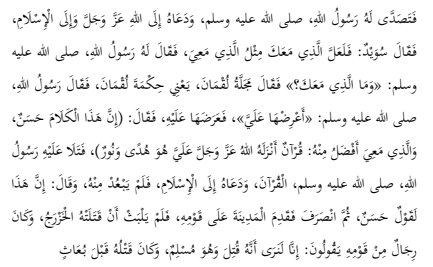
ثُمَّ دَنَا مِنْهُ رَسُولُ اللَّهِ ﷺ فَدَعَاهُ إِلَى اللَّهِ عَزَّ وَجَلَّ وَإِلَى الْإِسْلَامِ. فَقَالَ سُوَيْدٌ: «لَعَلَّ الَّذِي مَعَكَ مِثْلُ الَّذِي مَعِي». فَقَالَ لَهُ رَسُولُ اللَّهِ ﷺ: «وَمَا الَّذِي مَعَكَ؟». فَأَجَابَ بِأَنَّ مَعَهُ مَجَلَّةَ لُقْمَانَ، يَعْنِي حِكْمَةَ لُقْمَانَ. فَقَالَ لَهُ رَسُولُ اللَّهِ ﷺ: «اعْرِضْهَا عَلَيَّ». فَفَعَلَ. فَقَالَ ﷺ: «إِنَّ هَذَا الْكَلَامَ حَسَنٌ، وَلَكِنَّ الَّذِي مَعِي أَفْضَلُ مِنْهُ؛ إِنَّهُ قُرْآنٌ أَنْزَلَهُ اللَّهُ عَزَّ وَجَلَّ، وَهُوَ هُدًى وَنُورٌ». فَتَلَا عَلَيْهِ رَسُولُ اللَّهِ ﷺ الْقُرْآنَ، وَدَعَاهُ إِلَى الْإِسْلَامِ. فَلَمْ يُبْعِدْ عَنْهُ، وَقَالَ: «إِنَّ هَذَا لَقَوْلٌ حَسَنٌ». ثُمَّ انْصَرَفَ، وَقَدِمَ بَعْدَ ذَلِكَ الْمَدِينَةَ عَلَى قَوْمِهِ، فَلَمْ يَلْبَثْ أَنْ قَتَلَتْهُ الْخَزْرَجُ. وَكَانَ مِنْ قَوْمِهِ رِجَالٌ يَقُولُونَ: «إِنَّا نَرَى أَنَّهُ قُتِلَ وَهُوَ مُسْلِمٌ»، وَكَانَ قَتْلُهُ قَبْلَ يَوْمِ بُعَاثَ. [نهاية الاقتباس]. ج) الصَّحِيفَةُ (الوثيقة المكتوبة) الظالمةُ الملعونةُ، وهي صحيفة المقاطعة التي علّقتها قريشٌ داخل الكعبة؛ وقصتها، وقصة الأَرَضَةِ التي أكلتها، ثم قصتها المشهورة المتواترة في إبطالها. د) الصُّحُفُ التي دفعها رسول اللَّهِ ﷺ إلى أمراء السرايا، وفيها التعليمات، وكانت مختومةً أو مرقّعةً. ومثال ذلك ما ورد في «كتاب المغازي» للواقدي (1/13):
Then, the Messenger of Allah (peace be upon him) approached him and invited him to Allah ‘Azza Wa Jalla and to Islam. Suwaid said: “It may be that what you have is like that which I have”. So, the Messenger of Allah (peace be upon him) asked: “And what do you have?” He responded by saying that he had the Majallah of Luqman, meaning the Hikmah (wisdom) of Luqman. The Messenger of Allah (peace be upon him) then said: “Show it to me” and so he did. He (peace be upon him) said: “This speech is good but what I have is better than it. It is a Qur’an that Allah ‘Azza Wa Jalla has revealed and it is guidance and light”. The Messenger of Allah (peace be upon him) then recited the Qur’an to him and invited him to Islam. He didn’t distance himself from it and said: “Verily, this is a good speech”. He then left and later arrived to Al-Madinah to his people. It was not long thereafter that he was killed by the Khazraj. There were men from his people who would say: “We view that he was killed whilst he was a Muslim” and his killing occurred before the war of Bu’ath” [End of Quote]. c) The Sahifah (written document) of the (oppressive and accursed) Boycott which the Quraish hung inside the Ka’ba along; its story, the story of the termites eating it and then its well-known Mutawatir story concerning its nullification. d) The pages (Suhuf) which the Messenger of Allah (peace be upon him) gave to the commanders of the military expeditions, containing instructions, and they were sealed or patched together. And example of that is what came stated in Al-Waqidi’s “Kitab ul-Maghazi” (1/13):
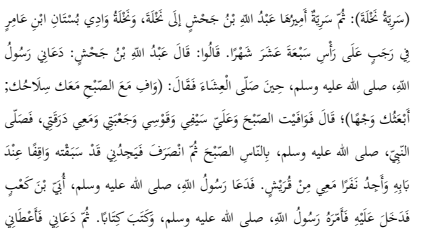
غزوة نخلة التي قادها عبد الله بن جحش (نخلة واد في بستان ابن عامر) وقعت في شهر رجب، وهو الشهر السابع عشر من الهجرة.
“The expedition to Nakhla commanded by Abdullah bin Jahsh (Nakhla is a valley in the Bustan (Orchard) of Ibn ‘Amir) took place in the month of Rajab, the seventeenth month AH.
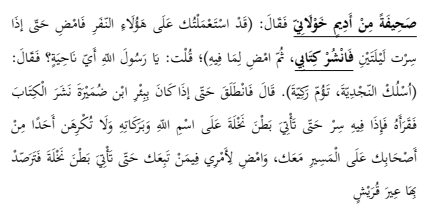
قالوا: قال عبد الله بن جحش: دعاني رسول الله ﷺ حين صلى العشاء، فقال: «ائتني في الصبح بسلاحك، فإني مرسلك في بعث». قال: فأتيته في الصبح بسيفي وقوسي وكنانتي وترسي. فصلى رسول الله ﷺ الصبح بالناس، ثم خرج فوجدني، فوجدني قد سبقته قائماً عند بابه، ووجدت معي جماعة من قريش (أي: من المهاجرين). فدعا رسول الله ﷺ أبيَّ بن كعب، فأمره أن يكتب كتاباً. ثم دعاني فدفع إليّ الصحيفة من جلد من خولان، وقال: «قد وليتك على هذا الجيش، فسر حتى تسير ليلتين، ثم افتح كتابي وامض لما فيه». فقلت: يا رسول الله، وإلى أين؟ قال: «سر نحو نجدية حتى تبلغ بئراً صغيرة». قال الراوي: فأسرع عبد الله بن جحش حتى بلغ بئر ابن دمُيرة، ثم فتح الكتاب وقرأه، فإذا فيه: «سر بسم الله وبركته، حتى تأتي وادي نخلة، ولا تُكرِهنّ أحداً من أصحابك على المسير معك، وامضِ على أمري لمن تبعك، حتى تبلغ وادي نخلة فترصد بها عير قريش» [انتهى الاقتباس].
They said: Abdullah bin Jahsh said: The Messenger of Allah (peace be upon him) called for me when he prayed Ishaa’, and said: “Come to me at dawn with your weapons, as I will send you on a mission”. He said: So, I approached at dawn with my sword, my bow, my quiver and my shield. The Prophet prayed Subh (i.e. Fajr) with the people, and then he left and found me. He found me having preceded him already standing at his door whilst I found a group of the Quraysh (i.e. Muhajirun) with me there. The Messenger of Allah (peace be upon him) called for Ubayy bin Ka’b and commanded him to write a document. Then he called me and gave me the sheet of leather from Khawlan, saying: “I have appointed you over this group. Proceed until you have travelled for two nights. Then open my letter and do as it says”. I said: “O Messenger of God, in which direction?” He replied, “Go towards Najdiyya until you reach a small well”. The narrator said: Abdullah bin Jahsh hastened, until he reached the well of Ibn Dumayra. He then opened the letter and read it. It said: “Go, in the name of Allah and with His blessings, until you come to the valley of Nakhla, but do not force any one of your companions to go with you. Proceed according to my commands with whoever follows you, until you reach the valley of Nakhla and lie in wait for the caravan of Quraysh from there” [End of Quote].
3) الصحيح أنّ هذه «المؤاخاة» كانت على أساس فردي محض، أي أنّ هذا الرجل، بوصفه فردًا بعينه، قد آخى ذلك الرجل، بوصفه فردًا بعينه. ولم يُذكر فيها شيءٌ عن القبائل أو الدِّيات أو الحرب أو السلم، ولذلك كانت تختلف اختلافًا جوهريًا عن صحيفة المدينة.
3) The correct view is that this “Mu’ahkaah” (brotherhood pact) was purely on an individual basis i.e. This man in his personal individual description was paired with that man, in his personal individual description. There was no mention in it of tribes, blood money (relationship), war or peace. It was therefore fundamentally different to the Sahifah of al-Madinah.
الخلاصة والخاتمة
Summary Conclusion
أينما وجدنا رواية عن صحيفة أو وثيقة مكتوبة بين المهاجرين والأنصار، أو تتعلق بديات الدم وحقوقه، أو بالحرب والسلم، فإننا نعلم بالضرورة أنها لا تمت بصلة إلى هذه "المؤاخاة". إما أنها تتعلق بصحيفة المدينة، أو أنها شيء جاء أو كُتب بعد ذلك بكثير. وليس لما ورد في "السيرة النبوية" لأحمد أبو زيد (ص 71) تحت عنوان "تاريخ كتابة المعاهدة مع اليهود" أي صحة، إذ جاء فيه: "رأى أحد الباحثين المعاصرين ترجيح أن الوثيقة كانت في الأصل وثيقتين، ثم جمعها المؤرخون في وثيقة واحدة؛ إحداهما تناولت معاهدة رسول الله ﷺ مع اليهود وكُتبت قبل غزوة بدر الكبرى، بينما وضحت الثانية التزامات المسلمين من المهاجرين والأنصار وحقوقهم وواجباتهم. قال: والراجح عندي أن وثيقة المواداعة مع اليهود كُتبت قبل غزوة بدر الكبرى، أما الوثيقة الثانية فكُتبت بعدها". وقد ذكرت المصادر القديمة ما يؤيد هذا الترجيح. قال أبو عبيد القاسم بن سلام: "كُتبت الوثيقة في مناسبتين: حين قدم النبي ﷺ المدينة، قبل ظهور الإسلام وقوته، وقبل أن يُؤمر بأخذ الجزية من أهل الكتاب". وقال البلاذري: "لما قدم رسول الله ﷺ المدينة وادع اليهود وكتب بينه وبينهم كتابًا، واشترط عليهم ألا يُعينوا عليه أعداءه، وأن ينصروه على من داهمه، وأنه لا يحارب أهل الذمة". لم يُقاتِل حينها أحدًا، ولم يَنالوا منه بسوء، ولم يُرسِل سرية عسكرية، حتى أنزل الله عز وجل: ﴿أُذِنَ لِلَّذِينَ يُقَاتَلُونَ بِأَنَّهُمْ ظُلِمُوا ۚ وَإِنَّ اللَّهَ عَلَىٰ نَصْرِهِمْ لَقَدِيرٌ * الَّذِينَ أُخْرِجُوا مِن دِيَارِهِم بِغَيْرِ حَقٍّ﴾ [الحج: ٣٩-٤٠].
Wherever we find a narration about a Sahifah or a written document between the Muhajirin and the Ansar, or concerning blood money rights, war or peace, we know, by necessity, that it bears no relation to this “Mu’akhaah” (formation of brotherhood). It would either be related to the Sahifah of Al-Madinah or something that came or was written (much) later than it. There is also no validity in what came related in “As-Seera An- Nabawiyah” by Ahmad Abu Zaid (p. 71) under the heading “The date of the writing of the treaty (Mu’ahadah) with the Jews”: “One of the contemporary researchers found preponderant that the document was actually two documents in origin and then the historians combined them into one. One of them dealt with the treaty of the Messenger of Allah (peace be upon him) with the Jews and was written prior to the great battle of Badr. That is whilst the second clarified the commitments (duties) of the Muslims from the Muhajirin and the Ansar, their rights and obligations. He said: “It is preponderant in my view that the peace agreement (Muwada’ah) document with the Jews was written before the great battle of Badr. As for the second document, then it was written after it”. The classical sources have expressed that which supports this preponderance. Abu ‘Ubaid Al-Qasim bin Salam said: “The Wathiqa (document) was written on two occurrences, when the Prophet (peace be upon him) arrived in Al-Madinah, prior to the dominance of Islam and its becoming strong and before he was commanded to take the Jizyah from Ahl ul-Kitab (the people of the book)”. Al-Baladhari said: “When the Messenger of Allah (peace be upon him) arrived in Al-Madinah he made a treaty (Muwada’ah) with the Jews and wrote between himself and them a document. He stipulated upon them that they should not support or side with his enemies, to support him against those who attack him and that he would not fight in defence of the Ahl udh-Dhimmah. He did not then wage war against anyone, they did not defame him and he did not dispatch a military expedition, until Allah ‘Azza Wa Jalla revealed: “Permission [to fight] has been given to those who are being fought, because they were wronged. And indeed, Allah is capable of providing them victory. [They are] those who have been evicted from their homes without right” (TMQ 22:39- 40)”.

أُذِنَ لِلَّذِينَ يُقَاتَلُونَ بِأَنَّهُمْ ظُلِمُوا ۚ وَإِنَّ اللَّهَ عَلَىٰ نَصْرِهِمْ لَقَدِيرٌ
“Permission [to fight] has been given to those who are being fought, because they were wronged. And indeed, Allah is capable of providing them victory.
الَّذِينَ أُخْرِجُوا مِنْ دِيَارِهِمْ بِغَيْرِ حَقٍّ [TMQ 22:39-40]
[They are] those who have been evicted from their homes without right” [TMQ 22:39-40]
لأنّ «الموادعة» (السلم والهدنة) هي الأصل الطبيعي، ولا تحتاج إلى أن تُعقد حتى تقوم. ثم إذا وقعت الحرب، تنتهي «الموادعة» ولا تعود إلا بانتهاء الحرب بهدنة أو معاهدة أو اتفاقية سلام.
That is because the “Muwada’ah” (peace and truce) is the natural and original situation and is not in need of being convened in order to establish it. Then, if war was to take place, the “Muwada’ah” would cease and it would not return until the war ends by way of a truce, treaty or peace agreement.
فلذلك، فإن «الموادعة» تمثل حالًا قد تكون موجودة وقد تكون غير موجودة. ولهذا فإن قول رسول الله ﷺ: «دَعُوا الْحَبَشَةَ مَا وَدَعُوكُمْ» يقتضي بالضرورة: الإقرار والاستمرار على حال الموادعة (الصلح والهدنة) ما دامت الحبشة كذلك. وعليه، فإن ما يستعمله علماء السيرة، والأخبار الواردة عن النبي ﷺ من مثل قولهم: «لَمَّا قَدِمَ الْمَدِينَةَ وَادَعَ جَمِيعَ الْيَهُودِ الَّذِينَ كَانُوا يَسْكُنُونَهَا»، لا يجوز أن يُفهم منه أنه أنشأ «موادعة» رسمية أو عقد عهدًا (معاهدة رسمية). وإنما يُراد منه أنه أقرّ واستمر على الحال الأصلية من الهدنة والصلح القائمة بينهم.
Consequently, the “Muwada’ah” represents a status that could be present or absent. Therefore, the statement of the Messenger of Allah (peace be upon him): “Leave the Abyssinians be as long as they leave you be” means by necessity: Affirm and continue upon the status quo of the Muwada’ah (peace and truce) as long as Abyssinia does so. As such, in respect to the statement used by the scholars of Seera and reports concerning the Prophet (peace be upon him) like: “When he arrived in Al-Madinah he made peace with all of the Jews who were residing there”, it is not permissible to be understood to mean that he established an official “Muwada’ah” or contracted a covenant (official treaty). Rather, it means that he affirmed and continued upon the original status quo of the truce and peace existing between them.
لَوْ تَمَسَّكَ بِمَا تَمَسَّكَ بِهِ غَيْرُهُ مِمَّنْ شَارَكَهُ فِي رَأْيِهِ لَمْ يُقْتَلْ، وَلَكِنَّهُ هَجَانَا وَشَبَّبَ بِنِسَائِنَا بِالشِّعْرِ، وَمَا كَانَ أَحَدُكُمْ لِيَفْعَلَ ذَلِكَ وَلَوْ كَانَ مَعَهُ سَيْفٌ ﷺ. إِذَا تَأَمَّلْنَا مَا رُوِيَ عَنْهُ ﷺ هَذَا الْحَدِيثَ، وَجَدْنَاهُ يُؤَيِّدُ هَذَا الرَّأْيَ الَّذِي نَذْهَبُ إِلَيْهِ تَمَامَ التَّأْيِيدِ. وَذَلِكَ لِأَنَّهُ لَيْسَ فِيهِ ذِكْرٌ لِعَهْدٍ أَوْ مِيثَاقٍ نَقَضَهُ كَعْبُ بْنُ الْأَشْرَفِ، بَلْ إِنَّهُ لَمْ يَسْتَمِرَّ عَلَى الْمُوَادَعَةِ وَيُقِرَّ بِهَا كَمَا تَمَسَّكَ بِهَا غَيْرُهُ. وَقَدْ كَانَ الْإِمَامُ ابْنُ الْقَيِّمِ رَحِمَهُ اللَّهُ عَلَى عِلْمٍ بِشَيْءٍ مِنْ هَذَا، فَقَالَ فِي كِتَابِهِ «أَحْكَامِ أَهْلِ الذِّمَّةِ» (٣/١٤٠٤):
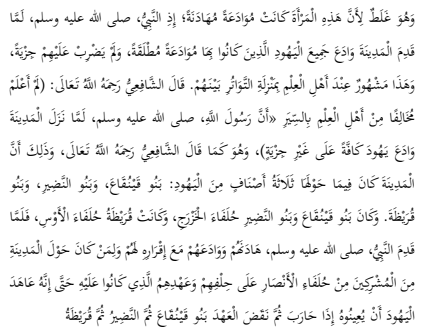
“وهذا خطأ، لأن هذه المرأة كانت في أمان وتحت عهد صلح (مُهادَنة). وذلك أن النبي ﷺ لما قدم المدينة صالح جميع اليهود المقيمين فيها صلحًا مطلقًا، ولم يضرب عليهم الجزية. وهذا معلوم عند أهل العلم بلوغًا إلى حد التواتر بينهم. قال الشافعي رحمه الله: «لا أعلم أحدًا من أهل العلم بالسيرة يختلف في أن رسول الله ﷺ لما نزل المدينة صالح جميع اليهود من غير أن يضرب عليهم الجزية». وهو كما قال الشافعي رحمه الله. وذلك أن المدينة كان يحيط بها ثلاث طوائف من اليهود: بنو قينقاع، وبنو النضير، وبنو قريظة. وكانت بنو قينقاع وبنو النضير حلفاء للخزرج، وبنو قريظة حلفاء للأوس. ثم لما قدم رسول الله ﷺ المدينة عاهدهم وصالحهم على إقرارهم، مع من كان حول المدينة من المشركين الذين كانوا حلفاء الأنصار، على أساس الحلف والعهد الذي كانوا عليه من قبل. بل أخذ عليهم العهد من اليهود أن ينصروه إن قوتل. ثم نقضت بنو قينقاع العهد، تلتها النضير، ثم قريظة“.
“And it is a mistake because this woman was at peace and under a truce (Muhadanah). That is because when the Prophet (peace be upon him) came to Al-Madinah he made peace with all of the Jews residing there an unrestricted manner and he did not impose Jizyah upon them. This is well-known by the people of knowledge to the level of Tawatur (decisive concurrent transmission) among them. Ash- Shafi’iy (may Allah’s mercy be upon him) said: “I do not of any from the people of knowledge of Seera who disagree upon the point “That when the Messenger of Allah (peace be upon him) settled in Al- Madinah, he made peace with all of the Jews without the imposition of the Jizyah”. It is as Ash-Shafi’iy (May Allah’s mercy be upon him) stated. That is because Al-Madinah had three groups of Jews surrounding it: Banu Qainuqaa’, Banu An-Nadir and Banu Quraizha. Banu Qainuqaa’ and Banu An-Nadir were allies of the Khazraj, while Banu Quraizha were allies of the Aws. Then when the Messenger of Allah (peace be upon him) came to Al-Madinah, he made a truce and peace with them with his approval of them, alongside those who were around Al-Madinah from the polytheists who were allies of the Ansar, upon the basis of their alliance and covenant that they had previously been upon. He even took a covenant from the Jews that they would support him if he was fought against. Then, Banu Qainuqaa’ broke the covenant, followed by An-Nadir and then Quraizha” [End of Quote].
حتى وإن كانت بعض العبارات المستعملة هنا لم تكن أدق التعبيرات، مثل قوله إن المرأة اليهودية كانت في "مهادنة"، مع أنه لم يكن قد وقع أي قتال حتى يأتي بعده عقد المهادنة. وقد يكون ذلك مجرد زلة في التعبير.
That is even if some of the expressions used here were possibly not the most accurate, like his statement describing the Jewish woman as being under a “truce” (Muhadanah), as there had not even been any fighting, for a truce to have come into effect followed it. It may be that this was merely a slip of expression.
أما ما ذكره الأستاذ أحمد بن زيد من أقوال أو آراء المؤرخين، فإن أغلبها إما باطل أو غير قاطع.

الوثيقةُ كُتِبَت في مناسبتين (حادثتين)، حين قدِمَ النبيُّ ﷺ المدينةَ، قبل أن يعلو الإسلامُ ويقوى، وقبل أن يُؤمَرَ بأخذ الجزية من أهل الكتاب.
“The Wathiqa (document) was written on two occurrences (Hadathani), when the Prophet (peace be upon him) arrived in Al- Madinah, prior to the dominance of Islam and its becoming strong and before he was commanded to take the Jizyah from Ahl ul-Kitab (the people of the book)” .
هو مبهم، لأن لفظ «حَدَثَانِي» لا يُحدِّد لنا إطارًا زمنيًا معيَّنًا يمكن الاعتداد به. ولم يظهر الإسلام ظهورًا عامًّا ولم يقوَ حقًّا إلا بعد هزيمة الأحزاب (أي غزوة الخندق)، وذلك لأن النبي ﷺ بدأ يهاجم الناس، ولم يعودوا هم يهاجمونه. يُضاف إلى ذلك أننا لا نعلم متى أُمِر بأخذ الجزية من الناس. وقوله: «خذوا الجزية من أهل الكتاب» تكرارٌ لخطأ معروف، فالحق أن الجزية أُخذت حتى من المشركين، ومنهم المجوس، كما جاء في حديث النعمان بن مقرن، المروي في صحيح مسلم وغيره من الكتب. 2) أما قول البلاذري
is vague because the word “Hadathani” does not establish for us a determined time frame that can be taken into consideration. Islam only manifested in a prevalent manner and truly became powerful following the defeat of the confederates (Ahzab i.e. battle of the trench). That is because the Prophet (peace be upon him) began to go on the offensive against the people and they were no longer on the offensive against him. In addition, we do not know when he was commanded to take the Jizyah from the people. That is whilst his statement “take the Jizyah from Ahl ul-Kitab (the people of the book)” is a repetition of a well-known error, as the truth is that the Jizyah was taken even from the polytheists, including the Majus, as has come stated in the Hadith of An-Nu’man bin Muqarrin, recorded in Sahih Muslim and other collections. 2) As for the statement of Al-Baladhari
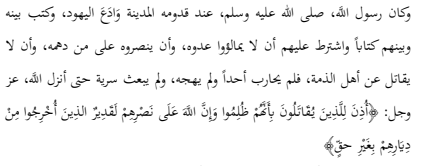
لَمَّا قَدِمَ رَسُولُ اللهِ ﷺ الْمَدِينَةَ عَقَدَ مُوَادَعَةً مَعَ الْيَهُودِ، وَكَتَبَ بَيْنَهُ وَبَيْنَهُمْ كِتَابًا. وَشَرَطَ عَلَيْهِمْ أَنْ لَا يُعِينُوا عَلَيْهِ أَعْدَاءَهُ، وَأَنْ يَنْصُرُوهُ عَلَى مَنْ يَعْتَدِي عَلَيْهِ، وَأَنَّهُ لَا يَخُوضُ حَرْبًا دِفَاعًا عَنْ أَهْلِ الذِّمَّةِ. فَلَمْ يَشُنَّ حَرْبًا عَلَى أَحَدٍ، وَلَمْ يَطْعَنُوا فِيهِ، وَلَمْ يُرْسِلْ سَرِيَّةً عَسْكَرِيَّةً، حَتَّى أَنْزَلَ اللهُ عَزَّ وَجَلَّ: ﴿أُذِنَ لِلَّذِينَ يُقَاتَلُونَ بِأَنَّهُمْ ظُلِمُوا، وَإِنَّ اللهَ عَلَىٰ نَصْرِهِمْ لَقَدِيرٌ * الَّذِينَ أُخْرِجُوا مِنْ دِيَارِهِمْ بِغَيْرِ حَقٍّ﴾ [الحج: ٣٩-٤٠].
“When the Messenger of Allah (peace be upon him) arrived in Al- Madinah he made a treaty (Muwada’ah) with the Jews and wrote between himself and them a document. He stipulated upon them that they should not support or side with his enemies, to support him against those who attack him and that he would not fight in defence of the Ahl udh-Dhimmah. He did not then wage war against anyone, they did not defame him and he did not dispatch a military expedition, until Allah ‘Azza Wa Jalla revealed: “Permission [to fight] has been given to those who are being fought, because they were wronged. And indeed, Allah is capable of providing them victory. [They are] those who have been evicted from their homes without right” (TMQ 22:39-40)”.
هذا الخطاب متناقض، لأنه ﷺ لم يكن مأذونًا له في الأصل بالقتال قبل نزول الآية، ولم يكن في حالة حرب مع أحد، ولم يكن هناك توقع بأن تُهاجَم المدينة. ولذلك فإن الجملة من خطابه: «وشرط عليهم ألا ينصروا أعداءه ولا يُعينوهم، وأن ينصروه على من يعتدي عليه»، التي تلخّص بعض ما ورد في «الصحيفة»، أمر لا يُتصوَّر ولا له حقيقة واقعة في تلك الفترة. وأشدّ منها فظاعةً قولُه: «وألا يقاتل دفاعًا عن أهل الذمة»، مع افتراض عدم وجود خطأ في الطباعة. فأولًا: لم يكن هناك «أهل ذمة» هناك في الأصل. وثانيًا: كيف يُعقل أن يكونوا ملزمين بنصره على من يعتدي عليه، بينما لا يكون هو ملزمًا بنصرهم على من يعتدي عليهم؟! 3) قول البلاذري في بني قينقاع:
This speech is contradictory because he (peace be upon him) had not been permitted in origin to engage in fighting prior to the revelation of the Aayah and was not in a state of war with anyone. There was also no expectation for Al-Madinah to be attacked. Therefore, the sentence from his speech: “He stipulated upon them that they should not support or side with his enemies, to support him against those who attack him”, which summarized some of what came stated in the “Sahifah”, is inconceivable and has no reality to it during that time period. Even more atrocious is the statement: “And that he would not fight in defence of the Ahl udh-Dhimmah”, assuming there was no error in the printing. Firstly, there were no “Ahl udh-Dhimmah” there in origin. Secondly, how could it be that they are obliged to support him against those who attack him, whilst he is not obliged to support them against those who attack them?! 3) The statement of Al-Baladhariy concerning Banu Qainuqaa’:
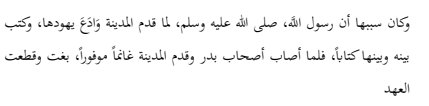
قال: "والسبب في ذلك أن رسول الله ﷺ لما قدم المدينة صالح يهودها وكتب بينه وبينهم كتابًا، ثم لما انتصر المسلمون في بدر ورجعوا إلى المدينة بالغنائم الوفيرة نقض اليهود العهد وغدروا"، فهذا أيضًا لا معنى له. وذلك لأن "الموادعة" (حالة السلم) هي الأصل، ولا تحتاج إلى أن تُعقد بالتعاقد الرسمي المتبادل أو أن تُكتب. أما كعب بن الأشرف فكان أول من تجاوز وحارب ونقض "الموادعة" (حالة السلم أو الهدنة)، والتي ثبتت كما سبق بالنقل المتواتر، ثم كتب "الصحيفة" التي لم يكن الغرض منها إقامة "موادعة" وإنما إقامة "اتحاد كونفدرالي (اتحاد كونفدرالي)". وبعد ذلك خرجت بنو قينقاع من "الاتحاد" وحاربت، تلتها بنو النضير، ثم غدرت قريظة بالاتحاد. 4) وفيما يتعلق بقول الطبري:
“The reason for it was that the Messenger of Allah (peace be upon him), when he arrived in Al-Madinah, made a peace agreement with its Jews and wrote a document between himself and them. Then, when the Muslims were victorious at Badr and came back to Al- Madinah with abundant booty, the Jews rebelled and broke the covenant”, then this also has no meaning to it. That is because the “Muwada’ah” (state of peace) is the origin and does not need to be officially mutually contracted or write. That is while Ka’b bin Al-Ashraf was the first to transgress, war and cut the “Muwada’ah” (state of peace or truce) which, as previously mentioned, has been established via Mutawatir (decisive concurrent) transmissions and he then wrote the “Sahifah” which was not the purpose of establishing a “Muwada’ah” but rather to establish a “Confederal Union (Ittihad Confedarali)”. Thereafter, Bani Qainuqaa’ exited from the “union” and waged war, followed by Banu An-Nadir and then Quraizhah betrayed it. 4) Concerning the statement of At-Tabari:
ثم أقام رسول الله ﷺ بالمدينة بعد رجوعه من بدر. ولما وصل إلى المدينة كان قد عقد صلحًا مع يهودها بشرط ألا يعينوا أحدًا عليه، وأن ينصروه إذا هوجم في المدينة من عدو. ثم لما قتل رسول الله ﷺ من قتل من مشركي قريش، أظهروا الحسد والبغي عليه، وأبدوا نقض العهد.
“Then the Messenger of Allah (peace be upon him) remained in Al- Madinah after his return from Badr. When he had arrived in Al- Madinah he had made a peace agreement with its Jews upon the stipulation that they do not assist anyone against him and that if he was attacked in Al-Madinah by an enemy, they would support him. Then when the Messenger of Allah (peace be upon him) killed those whom he had killed from the Mushrikin (polytheists) of Quraish, they demonstrated envy and rebelliousness towards him and demonstrated the breaching of the covenant”,
ووفقاً لذلك فإن قول البلاذري هو نفسه، والرد عليه كذلك، وإن كان ما ذكره الطبري أفضل بكثير. وذلك لأنه لم يذكر أن "الموادعة" القديمة قبل بدر كانت وثيقة مكتوبة، كما زلّ البلاذري في ذلك، كما أن نصه لا يتضمن شيئاً يعادل تلك الجملة الشنيعة: "وأنه لن يقاتل دفاعاً عن أهل الذمة". ومع ذلك، فإن قول الطبري "نقض العهد" ليس مما يتفق مع الواقع. ذلك أنه لم يكن هناك "عهد" سابق في أصله، وإنما كانت "موادعة" على حالها الأصلي. إلا أن نعتبر قبولها والالتزام بها عهداً ضمنياً؟! كقول أحمد أبو زيد:
then it is in line with the speech of Al-Baladhariy above and the refutation to it is the same, although it is much better. That is because he did not assert that the old “Muwada’ah” (agreement of peace/truce), prior to Badr, was a written document, as Al-Baladhariy slipped up in, just as his text does not include something equal to the atrocious sentence “And that he would not fight in defence of the Ahl udh-Dhimmah”. Despite that, the statement of At-Tabari “breaching of the covenant (Naqdh Al‘Ahd)” is not something that fits with reality. That is because there was no prior “Ahd” (covenant) in origin but rather a “Muwada’ah” upon its original state. That is unless we were to consider its acceptance and adherence to it as being an “Ahd” (Covenant/treaty) implicitly?! As the statement of Ahmad Abu Zaid:

في هذه الروايات المتواترة (النقول المتعددة المتصلة التي تفيد القطع)، ما يكفي لترجيح أن وثيقة الصلح مع اليهود كُتبت في السنة الأولى من الهجرة. وفضلاً عن ذلك، فإن تحليل بنودها ونصوصها يدل على أنها لا تشير إلى أي توتر بين النبي ﷺ واليهود. وعليه، وبناءً على كل ذلك، تسقط دعاوى الموسوعة الإسلامية وتُدفع شبهاتها، فإن فيها أخطاء جسيمة، بل قاتلة.
“In these Mutawatir (concurrent transmissions indicating decisiveness) testimonies, there is enough to establish preponderance to conclude that the peace agreement document with the Jews was written in the first year of the Hijrah. In addition, an analysis of its articles and texts indicate that they are not indicative of any tension between the Prophet (peace be upon him) and the Jews. As such, due to all of this, the claims of the Islamic encyclopaedia fall down and their doubts are refuted”, then there are significant, indeed fatal errors in it.
1) لا تُسمّى أقوالُ المؤرخين وآرائهم شهادةً (شهادةً بالمعنى الاصطلاحي) إلا إذا كانت صادرةً عن شاهدٍ معاصرٍ مباشِرٍ للحدث. وفيما عدا ذلك تكون مجردَ رأيٍ مبنيٍّ على معلوماتٍ أو مقدماتٍ صحيحةٍ أو خاطئة. ولا يُسمّى كثرةُ الآراء المتوافقة أو المتشابهة تواتراً، ولا تكتسب قيمةَ الشهاداتِ المتواترةِ القاطعةِ في الإثبات.
1) The statements or views of the historians are not called testimonies (shahada) unless it is from a contemporary (first-hand) witness. Otherwise, such a view is merely an opinion based upon correct or incorrect information or premises. A large number of conforming or similar opinions is not called Tawatur (i.e. established definitely by concurrent transmission) and they do not hold the value of Tawatur (decisive) testimonies of affirmation.
2) قد تُكتب بعض الدساتير عقب حرب أهلية، ومع ذلك لا تُظهر نصوصها أي توتر بين الأطراف المعنية. وذلك لأن غرض الدستور هو وضع تنظيم الدولة (أي الشكل الوحدوي أو الاتحادي وغير ذلك...). وعليه فإن تاريخ التوتر أو الصراع الذي وقع قبل صياغته لا يُكتب فيه ولا يُذكر ضمنه. وبناءً على ذلك، فيما يتعلق بقول "إن النصوص لا تدل على أي توتر بين النبي ﷺ واليهود"، فإن العكس صحيح أيضاً. ذلك أن كتابة دستور كونفدرالي أو معاهدة دولية في ذاتها ليست دليلاً على وجود توتر أو صراع أو حرب سابقة عليها. ربما كان ثمة توتر، وربما لم يكن. ولا يُعرف ذلك إلا من خلال دلائل تاريخية أخرى تُدرس بمعزل عن الوثيقة محل الفحص، أو من نصوص الوثيقة نفسها التي تشير إلى انتهاء نزاع أو توقف القتال أو حل مشكلات التعويضات ودِيَات الدماء وما شابه... ويريد الأستاذ أحمد أبو زيد أن يرد على ادعاءات "الموسوعة الإسلامية" التي كان قد صاغها قبل ذلك بقليل في "السيرة النبوية" لأحمد أبو زيد (ص: 70) على النحو التالي:
2) Some constitutions could be written following a civil war and yet its texts do not reflect the existence of any tension between the parties involved. That is because the purpose of the constitution is to lay down the regulation of the state (i.e. Unitary or union form etc…). As such, the date of the tension or conflict that occurred leading up to it, is neither written or mentioned within it. Consequently, in respect to the statement “They (i.e. the texts) are not indicative of any tension between the Prophet (peace be upon him) and the Jews”, then the opposite is also correct. That is because the writing of a confederal constitution or international treaty in itself, is not an evidence for the existence of a tension, conflict or war proceeding it. There could have been just as there may well not have been. This would only be known via other historical indications which are looked at independently from the document that is under examination, or from the texts of the document itself which indicate to the ending of a conflict or cessation of fighting or the solving of problems of compensations and blood monies etc… Ustadh Ahmad Abu Zaid wishes to refute the claims of the “Islamic Encyclopaedia” which he had formulated shortly before that in “As- Seera An-Nabawiyah” by Ahmad Abu Zaid (p: 70) as follows:
بعد أن ذكرت الموسوعة ما تضمنه عقد تلك المعاهدة (المُعاهدة) من سياسةٍ نبويةٍ حكيمة في صناعة القرار، وبعد أن أشارت إلى أن ابن إسحاق قد حفظ نصَّ تلك المعاهدة، قالت: يبدو أن هذا النص لا يعود، من حيث تاريخ كتابته، إلى السنة الأولى للهجرة، لأنه يعكس العلاقات المتوترة بين النبي ﷺ واليهود.
“After the encyclopaedia mentioned what the contracting of that treaty (Mu’ahadah) contained in terms of wise prophetic policy making and after it indicated to Ibn Ishaq having preserved the text of that treaty, it stated: It appears that this text does not go back, in respect to the date of its writing, to the first year of the Hijrah, because it reflects the tense relations between the Prophet (peace be upon him) and the Jews”.
الحقيقة أنّ صحيفة المدينة كُتبت في أوائل السنة الثالثة من الهجرة، استناداً إلى الأدلة من النصوص التاريخية المنقولة التي قدّمناها سابقاً. وعليه، فإنّ الموسوعة كانت مصيبة في هذا الأمر. أمّا استنتاج المستشرقين، وهم مؤلفو الموسوعة، أنّ النص (أي الصحيفة)
The truth is that the Sahifah of Al-Madinah was written at the beginning of the third year of Hijrah based upon the evidence of the historical transmitted texts that we have presented earlier. As such, the encyclopaedia was correct regarding this matter. As for the deduction of the orientalists, who are the authors of the encyclopaedia, that the text (i.e. Sahifah)

عكست العلاقات المتوترة بين النبي ﷺ واليهود
“reflected tense relations between the Prophet (peace be upon him) and the Jews”, .
ثم إن هذا الكلام غير مقنع وفي غير موضعه. فقد أطلق الناس العنان لخيالاتهم هنا، بينما التاريخ ليس إلا أحداثاً ووقائع قد مضت، وينبغي أن تُؤخذ أخباره من شهود العيان المباشرين، ومن السجلات التي كتبها من عاشوا في ذلك الزمان، لا من التخيلات ولا حتى من الاستنتاجات العقلية. نعم، صحيح أن الظروف المحيطة بكتابة الصحيفة تكشف أنها كُتبت بسبب وقوع توتر في العلاقات مع بعض اليهود (كعب بن الأشرف على وجه الخصوص). غير أن نص الصحيفة لا يتضمن أي شيء يدل على وجود توتر أو صراع سابق، ولا حتى من بعيد!
then this is not convincing and out of place. People have given free reign to their imaginations here. That is whilst history is merely events and realities that have passed by and its reports must be taken from first-hand witnesses and records of those living at the time, not from imaginations or even logical deductions. Yes, it is true that the circumstances surrounding the writing of the Sahifah reveal that it was written due to the occurrence of a tension in the relations with some of the Jews (Ka’b in Al-Ashraf specifically). However, its text does not include anything indicating to any prior tension or conflict and not even remotely!