5.5 الإنصاف لكثير بن عبد الله بن عمرو بن عوف المزني
5.5 Fairness to Kathir bin Abdullah bin ‘Amr bin ‘Awf Al- Muzani
- ورد فيما ذكره ابن حجر في «تقريب التهذيب» (1/460/5617): [كثير بن عبد الله بن عمرو بن عوف المزني الأنصاري المدني ضعيف، ومن نسبه إلى الكذب فقد بالغ. (وهو من الطبقة السابعة)].
- The following came stated in in “Taqrib At-Tahdhib” [Ibn Hajar] (1/460/5617): [Kathir bin Abdullah bin ‘Amr bin ‘Awf Al-Muzani Al- Madani is Da’if (weak). Those who attributed lying to him were excessive. (He was from) the seventh (i.e. generation or line of transmission)].
- ومع ذلك، فقد ورد في "إرواء الغليل" للألباني (5/155) ما نصه: [قال الحافظ (أي ابن حجر) في "الفتح" (4/371): وكثير بن عبد الله ضعيف عند الجمهور، لكن البخاري ومن تبعه كالترمذي وابن خزيمة قوّوا أمره].
- However, in “Irwaa’ Al-Ghalil”, by Al-Albani (5/155), the following was stated: [Al-Hafizh (i.e. ibn Hajar) said [in Al-Fat’h – (4/371)]: [And Kathir bin Abdullah is Da’if in the view of the majority however Al- Bukahri and those who followed him like At-Tirmidhi and Ibn Khuzaimah strengthen his affair (or status)].
- ذُكِرَ فيما رواه في «التاريخ الكبير» [البخاري] (7/217/945): [كثير بن عبد الله بن عمرو بن عوف المزني المدني سمع من أبيه، وروى عنه مروان بن معاوية، وإسماعيل بن أبي أويس، ويحيى الأنصاري]. وهو مذكور في طبعة أخرى من «التاريخ الكبير» للبخاري (7/96/945). ولم يضعّفه البخاري ولم يتكلم فيه ولا بحرف واحد! - ورد فيما ذكره في «الجرح والتعديل» [ابن أبي حاتم] (7/154/858): [كثير بن عبد الله بن عمرو بن عوف المزني، روى عن أبيه، وعن محمد بن كعب، وربيح بن عبد الرحمن، وروى عنه عبد العزيز بن محمد، ومروان بن معاوية، ومعن بن عيسى، وعبد الله بن وهب، وعبد الله بن نافع الصائغ، ومحمد بن خالد بن عَثْمة، وأبو عامر العَقَدي، وخالد بن مخلد، وابن قُنَاب، وابن أبي أويس. سمعت أبي يقول ذلك. حدثنا عبد الرحمن، عن محمد بن حَمَّاويه بن الحسن قال: سمعت أبا طالب يقول: سألت أحمد (يعني ابن حنبل) عن كثير بن عبد الله بن عمرو بن عوف فقال: «منكر الحديث، لا شيء». حدثنا عبد الرحمن قال: قُرِئ على العباس بن محمد الدُّوري عن يحيى بن معين أنه قال: «كثير بن عبد الله المزني ضعيف في الحديث». حدثنا عبد الرحمن قال: سألت أبا زرعة عن كثير بن عبد الله بن عمرو بن عوف فقال: «لين الحديث، ليس بالقوي». فقلت له: من بَحْز بن حكيم، وعبد المهيمن، وكثير بن عبد الله، أحب إليك؟ فقال: «بَحْز وعبد المهيمن أحب إليَّ منه». حدثنا عبد الرحمن قال: سُئل أبي عن كثير بن عبد الله بن عمرو بن عوف فقال: «ليس بمتين»].
- The following came recorded in “At-Tarikh Al-Kabir” [Al-Bukhari] (7/217/945): [Kathir bin Abdullah bin ‘Amr bin ‘Awf Al-Muzani Al- Madani listened to (or received from) his father, while Marwan bin Mu’awiyah, Isma’il bin Abu Uwais and Yahya Al-Ansari related from him]. It is recorded in another edition of “At-Tarikh Al-Kabir” by Al- Bukhari (7/96/945). Al-Bukhari did not classify him as Da’if (weak) and he did not speak about him, not even a single letter! - The following came stated in “Al-Jarh Wa At-Ta’dil” [Ibn Abu Hatim] (7/154/858): [Kathir bin Abdullah bin ‘Amr bin ‘Awf Al-Muzani related from his father in addition to Muhammad bin Ka’b and Rubaih bin Abdur Rahman, while Abdul ‘Aziz bin Muhammad, Marwan bin Mu’awiyah, Ma’n bin ‘Eisa, Abdullah bin Wahb, Abdullah bin Nafi’ As-Sa’igh, Muhammad bin Khalid bin ‘Athma, Abu ‘Amir Al-‘Aqadiy. Khalid bin Makhlad, Ibn Qa’nab and Ibn Abu Uwais related from him. I heard my father saying that. Abdur Rahman related to us from Muhammad bin Hamawaih bin Al-Hasan who said: I heard Abu Talib who said: I asked Ahmad (meaning Ahmad bin Hanbal) concerning Kathir bin Abdullah bin ‘Amr bin ‘Awf and he said: “Munkar (i.e. rejectable due to defectiveness in respect to) Al-Hadith, of no worth”. Abdur Rahman related to us: He said: It was read to Al-‘Abbas bin Muhammad Ad- Dawri from Yahya bin Ma’een That he said: “Kathir bin Abdullah Al- Muzani is Da’if (weak) in Hadith”. Abdur Rahman related to us. He said: I asked Abu Zur’ah about Kathir bin Abdullah bin ‘Amr bin ‘Awf. He said: “Feeble/weak in Hadith and not strong”. I said to him: Out of Bahz bin Hakim, Abdul Muhaimin and Kathir bin Abdullah, which of them is the most beloved to you? He said: “Bahz and Abdul Muhaiman are more beloved to me than him”. Abdur Rahman related to us: He said: My father was asked about Kathir bin Abdullah bin ‘Amr bin ‘Awf and he said: “He is not solid/strong (Matin)”.
أقول: إن قولهم «ليس بالمتين» ليس كقولهم «ليس بقوي»، ولا هو بمعنى «ضعيف»، وذلك لأن الراوي «المتين» هو من بلغ الذروة في القوة والوثاقة. - وقد جاءت أقوال متناقضة مذكورة في «تاريخ الإسلام» (10/224/330): [كثير بن عبد الله بن عمرو بن عوف بن زيد بن طلحة اليشكري المزني المدني … روى عن أبيه وعن جده (بنسخة)، إضافة إلى نافع ومحمد بن كعب القرظي. وروى عنه: ابن وهب، وعبد الله بن نافع، والقعنبي، وإسماعيل بن أبي أويس، وخلق].
I say: This statement “He is not solid/strong (Matin)” is not like the statement “He is not Qawiy (strong))” and it is not synonymous with the statement “Da’if” (weak). That is because the “Matin” narrator is the one who has reached the pinnacle in respect to strength and reliability. - Contradictory statements came stated in “Tarikh ul-Islam” (10/224/330): [Kathir bin Abdullah bin ‘Amr bin ‘Awf bin Zaid bin Talha Al-Yashkuri Al-Muzani Al-Madani … He related from his father and from his grandfather (by transcript), in addition to Nafi’ and Muhammad bin Ka’b Al-Qurazhi. And the following related from him: Ibn Wahb, Abdullah bin Nafi’, Al-Qa’nabi, Isma’il bin Abi Uwais and Khalq.
اتفقوا على تضعيفه، وردّ أحمدُ بنُ حنبلٍ حديثَه.
They agreed upon his classification of weakness and Ahmad bin Hanbal rejected his Hadith.
قال الشافعيّ: إنّه ركنٌ من أركان الكذب. وقال أبو داود مثل ذلك.
Ash-Shafi’iy said: He is a pillar from among the pillars of Al-Kadhib (deceit/untruth). Abu Dawud said similar to that.
قال عباس عن ابن معين (أي أن كثيراً): «ضعيف». وروى الدارمي عن ابن معين: ليس بشيء.
‘Abbas related from Ibn Ma’een (that he i.e. Kathir is): “Da’if (weak)”. Ad-Darimiy related from Ibn Ma’een: He has no worth.
قال النسائي: «متروك»، أو «لا يُكتب حديثه»، وقال الدارقطني مثل ذلك.
An-Nasa’i said: “He is left or disregarded (i.e. not related from)” and Ad-Daraqutniy said the same.
أمّا التِّرْمِذِيُّ فقد أخذ يُمْلِي، فقال: «قلتُ لمحمدٍ ﷺ: هناك حديثُ كثيرِ بنِ عبدِ الله، عن أبيه، عن جدّه، المتعلِّقُ بـ(موضوع) وقتِ صلاةِ الجمعة. فقال: هو حديثٌ حسنٌ، غيرَ أنّ أحمدَ بنَ حنبلٍ يُصنِّفُ كثيرًا بأنه ضعيفٌ».
As for At-Tirmidhi, then he began to dictate and said: “I said to Muhammad: There is the Hadith of Kathir bin Abdullah, from his father, from his grandfather, related to the (subject area) of the time of the Jumu’ah prayer. He said: It is a Hasan Hadith, however Ahmad bin Hanbal classifies Kathir as being Da’if (weak)”.
قال ابن حبان: «كثير يروي عن أبيه، عن جده نسخةً موضوعةً، لا يحل ذكره إلا على سبيل التعجب». قلت: توفي سنة 163هـ] [انتهى الاقتباس].
Ibn Hibban said: “Kathir relates from his father, from his grandfather a fabricated transcript. It is not permissible to mention him except from the angle of astonishment”. I said: He died in the year 163 AH] [End of quote].
أقول: لا معنى (ولا اعتبار) لقول: «اتفقوا على تضعيفه» مع وجود توثيق من إمام العدل والاعتدال الإمام البخاري، فضلاً عن كلام أبي حاتم الذي لا وزن له، وهو ممن يميل إلى الغلو والعناد! والحق أن الدارقطني لم يذكره إلا ضمن سرد أسماء الرواة، دون تعليق، في كتابه «الضعفاء والمتروكين». والكلام المنسوب إلى أبي داود يناقضه أنه أخرج بعض حديث كثير بن عبد الله، ولم يقع خلاف فيها، حين كتب بها إلى أهل مكة. والتوجيه الأرجح في نظري أنه نقل كلام الإمام الشافعي وتابعه في البداية، كما يظهر في «تهذيب الكمال» (24/136/4948) و«تهذيب التهذيب» (8/377/753)، وسيأتي نص ذلك قريباً. ثم لما تبين له بطلان الاتهام، أخرج رواياته في سننه. والحافظ ابن حجر نفسه يبدو متردداً، إذ إن كلامه في «الفتح» لا يتفق مع ما ذكره في خلاصته في «التقريب». فالمسألة إذن محتملة، ولا بد من دراسة دقيقة لأحوال هذا الرجل وحاله.
I say: There is no meaning (or significance) to the statement: “They agreed upon his classification of weakness” when there exists an attestation of credibility from the chief of fairness and moderation Imam Al-Bukhari, in addition to the insignificant speech of Abu Hatim, who is from the prone to extremity and stubbornness! The truth is that Ad-Daraqutni only mentioned him as part of a list, without commentary, amongst a group of narrators, in his book “The weak and disregarded” (Ad-Du’afa’ Wa Al-Matrukin”. The speech attributed to Abu Dawud contradicts the fact that he published some of the Hadith of Kathir bin Abdullah and no disagreement resulted over them, when he wrote with them to the people of Makkah. The most likely explanation in my view, is that he related the speech of Imam Ash-Shafi’iy and followed it in the beginning, as is evident in “Tahdhib Al-Kamal” (24/136/4948) and in “Tahdhib At-Tahdhib” (8/377/753); the texts of which will be presented soon. Then (after that), it the incorrectness of the accusation became evident to him and so he recorded his relations within his Sunan. Al-Hafizh bin Hajar himself appears to be of two minds as his speech in “Al-Fat’h” is not consistent with what he stated in his summary in “At-Taqrib”. The matter is therefore ambiguous and as such it is necessary to undertake a precise study of the circumstances or status of this man.
ذُكر فيما رواه العُقيلي في "الضعفاء الكبير" (٤/٤/١٥٥٥): [كثير بن عبد الله بن عمرو بن عوف المُزني. حدّثنا أحمد بن زُكير الحضرمي، قال: حدّثنا أحمد بن سعيد الفهري، عن إبراهيم بن المنذر، عن مطرف بن عبد الله، قال: رأيتُ كثير بن عبد الله بن عمرو بن عوف المزني، كان كثير الخصومة، وما كان أحدٌ من أصحابنا يأخذ عنه. فقال له ابن عمران القاضي: يا كثير، إنك رجلٌ أحمق، تخاصم فيما لا نعلم، وتدّعي ما لا تملك، ولا تجد على ما تطلب حجة، فلا تأتني إلا أن تراني أفرغ للسفهاء أو للبطّالين، فإن رأيت السفهاء عندي فجئني. قال إبراهيم: قال لي مطرف: كان ابن عمران عندنا يومًا، فجاءه كثير بن عبد الله، فقال: ألم أقل لك: لا تأتني إلا أن تراني مع السفهاء (أو البطّالين)؟ فقال له كثير: صدقتَ، أصلح الله القاضي، إنما جئتك حين جاءك السفهاء، جاءك فلان وفلان، وهما من السفهاء (أو البطّالين)، فجئتُ معهما. وحدّثنا عبد الله بن أحمد، قال: سمعت أبي يقول: "حسين بن عبد الله بن ضُميرة وكثير بن عبد الله بن عمرو بن عوف لا يساويان شيئًا جميعًا، هما سواء، لا قيمة لهما". وكان أبي يردّ أحاديث كثير بن عبد الله بن عمرو بن عوف، فلم يحدّثنا عنه. وحدّثنا محمد بن عيسى، عن عباس، قال: سمعت يحيى يقول: كثير بن عبد الله بن عمرو بن عوف المزني، جدّه له صحبة، وكثير ضعيف الحديث]. حدَّثنا أحمد بن محمود، قال: حدَّثنا عثمان بن سعيد، قال: قلتُ ليحيى بن معين: «كثير بن عبد الله المُزني، الذي يروي عنه معن، كيف حاله؟» فقال: «ليس بشيء» أو «لا قيمة له».
- The following came recorded in “Ad-Du’afaa’ Al-Kabir” by Al- ‘Uqailiy (4/4/1555): [Kathir bin Abdullah bin ‘Amr bin ‘Awf Al-Muzani. Ahmad bin Zukair Al-Hadrami related to us from Ahmad bin Sa’id Al-Fihriy, from Ibrahim bin Al-Mundhir, from Mutarrif bin Abdullah, who said: “I saw Kathir bin Abdullah bin ‘Amr bin Awf Al-Muzani. He was very quarrelsome and none of our companions would take from him”. So, Ibn ‘Imran Al-Qadi said to him: “O Kathir, you are a foolish person, you quarrel in respect to that which we don’t know. You make claims to that which you don’t have and you don’t have evidence for what you seek. So, don’t approach me unless you see me making time for the people of foolishness or idleness. If you see the people of foolishness in my company then come on over”. Ibrahim said: Mutarrif said to me: Ibn ‘Imran was among us one day, when Kathir bin Abdullah came to him and so he said: “Did I not say to you, don’t approach me unless you see me with the foolish (or idle) people?” Kathir then said to him: “You have said the truth, may Allah make good the affair of the Qadi. Indeed, I only came to you when the people of foolishness came to you. So and so and so and so came to you. They are both from the people of foolishness (or idleness) and so I came along with them both”. Abdullah bin Ahmad related to us: He said: I heard my father saying: “Hussein bin Abdullah bin Dumairah and Kathir bin Abdullah bin ‘Amr bin ‘Awf do not add up to anything together, they are similar, not worth anything”. My father rejected the Ahadeeth of Kathir bin Abdullah bin ‘Amr bin ‘Awf and as such, he did not relate them to us. Muhammad bin ‘Eisa related to us from ‘Abbas who said: I heard Yahya saying: Kathir bin Abdullah bin ‘Amr bin ‘Awf Al-Muzani, his grandfather had companionship (Suhbah i.e. with the Prophet), (but) Kathir is weak (Da’if) in respect to the Hadith”. Ahmad bin Mahmud related to us from Uthman bin Sa’id: I said to Yahya bin Ma’een: “Kathir bin Abdullah Al-Muzani, (the one) who Ma’n relates from, how is he (i.e. his condition)?” He said: “He is nothing or of no worth”].
ذُكر في «تهذيب الكمال» [المزي] (24/136/4948): [كثير بن عبد الله بن عمرو بن عوف بن زيد بن ملحة المزني المدني روى عن بكر بن عبد الرحمن المزني البصري، ورَبيح بن عبد الرحمن بن أبي سعيد الخدري، وأبيه عبد الله بن عمرو بن عوف المزني، ومحمد بن كعب القرظي، ونافع مولى ابن عمر. وروى عنه جميعُ من يلي: إبراهيم بن علي الرافعي، وأبو إسحاق إبراهيم بن محمد الفزاري، وإسحاق بن إبراهيم الحنيني، وإسحاق بن جعفر العلوي، وإسماعيل بن أبي أويس، وخالد بن مخلد القطواني، وزيد بن الحباب، والعباس بن أبي شملة التيمي، وأبو أويس عبد الله بن المدني، وعبد الله بن كثير بن جعفر بن أخي إسماعيل بن جعفر، وعبد الله بن مسلمة القعنبي، وعبد الله بن نافع الصائغ، وعبد الله بن وهب المصري، وأبو الجعد عبد الرحمن بن عبد الله السلمي، وعبد العزيز بن أبي ثابت الزهري، وعبد العزيز بن محمد الدراوردي، وأبو عامر عبد الملك بن عمرو العقدي، وعطاف بن خالد المخزومي، والقاسم بن عبد الله بن عمر العمري، ومحمد بن إسماعيل بن أبي فديك، ومحمد بن خالد بن عثمة، ومحمد بن عمر الواقدي، ومحمد بن فليح بن سليمان، وأبو غزية محمد بن موسى الأنصاري (قاضي المدينة)، ومروان بن معاوية الفزاري، والمعافى بن عمران الموصلي، ومعن بن عيسى القزاز، ويحيى بن سعيد الأنصاري (وكان أكبر منه). قال أبو طالب: سألت أحمد بن حنبل عنه فقال: «منكر الحديث، لا شيء». وقال عبد الله بن أحمد بن حنبل: «أبي ترك حديث كثير بن عبد الله في المسند، ولم يروِ عنه». وقال أبو خيثمة: قال لي أحمد بن حنبل: «لا تكتب عنه شيئًا». وروى عباس الدوري أن يحيى بن معين قال لجده: «كثير ضعيف الحديث». وقال في موضع آخر: «ليس بشيء».] عثمان بن سعيد الدارمي روى عن يحيى بن معين أنه قال: «ليس بشيء». وقال أبو عبيد الآجري: سُئل أبو داود عن كثير بن عبد الله بن عمرو بن عوف المزني، فقال: «كان من الكذابين». وسمعتُ محمد بن الوزير المصري يقول: سمعتُ الشافعي، وذُكر كثير بن عمرو بن عوف، فقال: «ذاك أحد الكذابين» أو «أحد أركان الكذب». وقال عبد الرحمن بن أبي حاتم: سألتُ أبا زرعة عنه، فقال: «ضعيف الحديث، وليس بقوي». فقلتُ له: بَهْز بن حكيم، وعبد المهيمن، وكثير بن عبد الله: أيُّهم أحب إليك؟ فقال: «بَهْز وعبد المهيمن أحب إليّ منه». وقال أبو حاتم: «ليس بمتين». وقال الترمذي: سألتُ محمدًا عن حديث كثير بن عبد الله، عن أبيه، عن جده، في الوقت الذي يُرجى فيه الإجابة يوم الجمعة، فقال: «كيف هو؟» (يعني كثيرًا)، قال: «الحديث حسن، غير أن أحمد بن حنبل يضعّف كثيرًا». وروى عنه يحيى بن سعيد الأنصاري، وهو إمام. وقال النسائي والدارقطني: هو متروك في الحديث. وقال النسائي في موضع آخر: «ليس بثقة». وقال أبو حاتم بن حبان: «روى عن أبيه، عن جده نسخةً موضوعة، لا يحل ذكرهم في الكتب، ولا الرواية عنه، إلا على جهة التعجب». وقال ابن عدي: «أكثر ما يرويه غير محفوظ». وروى إبراهيم بن المنذر الحزامي عن مطرف بن عبد الله المدني، قال: «رأيتُه، وكان شديد الخصومة، ولم يكن أحد من أصحابنا يأخذ عنه». فقال له ابن عمران القاضي: «يا كثير، أنت رجل أحمق، تخاصم فيما لا تعلم». ومن ذلك: "أنت تدّعي ما ليس لك، ولا دليل لديك على ما تطلبه، فلا تأتني إلا إذا رأيتني أقضي وقتي مع أهل السفه أو البطالة. فإن رأيت أهل السفه في صحبتي فتعال إليّ". قال مطرّف: كان ابن عمران بيننا يوماً، فجاءه كثير بن عبد الله، فقال له: "ألم أقل لك: لا تأتني إلا إذا رأيتني مع أهل السفه (أو البطالة)؟" فقال له كثير: "لقد صدقت، أصلح الله شأن القاضي. إنما جئتك حين جاءك أهل السفه؛ فلان وفلان وفلان جاءوك، وهما من أهل السفه (أو البطالة)، فجئتُ معهما". رواه البخاري عنه في باب "القراءة خلف الإمام" وفي "أفعال العباد"، كما رواه أبو داود والترمذي وابن ماجه عنه. [انتهى النقل]
ذُكِرَ فِي «تَهْذِيبِ التَّهْذِيب» (٨/٣٧٧/٧٥٣):
- The following came stated in “Tahdhib At-Tahdhib” (8/377/753):
[قال البخاري في باب القراءة، وأبو داود والترمذي وابن ماجه: كثير بن عبد الله بن عمرو بن عوف بن زيد بن ملحة اليشكري المزني المدني، روى عن أبيه، ومحمد بن كعب القرظي، ونافع مولى ابن عمر، وربيح بن عبد الرحمن بن أبي سعيد الخدري، وبُكير بن عبد الرحمن المزني. وروى عنه جماعة، منهم: يحيى بن سعيد الأنصاري، وأبو أويس، وزيد بن الحباب، وعبد الله بن وهب، وعبد الله بن نافع، وإبراهيم بن علي الرافعي، وإسحاق بن جعفر العلوي، وإسحاق بن إسحاق الحنيني، وأبو عامر العقدي، ومروان بن معاوية، وأبو الجعد عبد الرحمن بن عبد الله السلمي، ومحمد بن خالد بن عثمة، وخالد بن مخلد بن أبي أويس، والقعنبي وغيرهم. قال أبو طالب عن أحمد: إنه منكر الحديث، ليس بشيء. وقال عبد الله بن أحمد: رد أبي حديث كثير بن عبد الله في مسنده، ولم يحدثنا عنه. وقال أبو خيثمة: قال لي أحمد: لا تكتب عنه شيئًا. وروى الدوري عن ابن معين: جده له صحبة، وهو ضعيف الحديث. وقال مرة: ليس بشيء. وروى الدارمي أيضًا عن يحيى بن معين أنه قال: ليس بشيء. وقال أبو عبيد الآجري: سُئل أبو داود عنه فقال: كان من الكذابين. سمعت محمد بن الوزير المصري يقول: سمعت الشافعي وذُكر عنده كثير بن عمرو بن عوف فقال: ذاك أحد الكذابين، أو أحد أركان الكذب. وقال ابن أبي حاتم: سألت أبا زرعة عنه فقال: ضعيف الحديث، ليس بقوي. قلت له: بهز بن حكيم، وعبد المهيمن، وكثير بن عبد الله: أيهم أحب إليك؟ قال: بهز وعبد المهيمن أحب إلي منه.] قال أبو حاتم: «ليس بمتين». وقال الترمذي: سألتُ محمداً عن حديث كثير بن عبد الله، عن أبيه، عن جده، في الساعة التي تُرجى يوم الجمعة: كيف هو؟ فقال: «الحديث حسن، غير أن أحمد بن حنبل يضعّف كثيراً». وروى عنه يحيى بن سعيد الأنصاري. وقال النسائي والدارقطني: هو متروك في الحديث. وقال النسائي في موضع آخر: «ليس بثقة». وقال ابن حبان: «روى عن أبيه عن جده نسخةً موضوعة، لا يحل ذكرها في الكتب، ولا الرواية عنه إلا على وجه التعجب». وقال أبو أحمد بن عدي: «أكثر ما يرويه غير متابَع عليه». وروى إبراهيم بن المنذر الحزامي عن مطرف بن عبد الله المدني قال: «رأيت كثير بن عبد الله بن عمرو بن عوف المزني، وكان شديد الخصومة، ولم يكن أحد من أصحابنا يأخذ عنه». فقال له ابن عمران القاضي: «يا كثير، أنت رجل أحمق، تخاصم فيما لا تعلم، وتدّعي ما لا تملك، ولا تملك ما تطلب». أقول: وقال أبو نعيم: «ضعّفه علي بن المديني». وقال ابن سعد: «كان له أحاديث قليلة يُضعَّف بعضها». وقال ابن السكن: «يروي أحاديث عن أبيه عن جده تحتاج إلى نظر وفحص». وقال الحاكم: «روى عن أبيه عن جده نسخةً فيها مناكير». وضعّفه الساجي ويعقوب بن سفيان وابن البرقي. وقال ابن عبد البر: «أجمعوا على ضعفه». كلام ابن حزم يتضمن تقدّماً في الجرح في حق كثير بن زيد، بينما ذكره البخاري في "الأوسط" في باب (أو موضوع) "من مات ما بين ١٥٠–١٦٠ هـ" [نهاية الاقتباس].
[Al-Bukhari in the part about the recitation, in addition to Abu Dawud, At-Tirmidhi and Ibn Majah: Kathir bin Abdullah bin ‘Amr bin ‘Awf bin Zaid bin Milhah Al-Yashkuri Al-Muzani Al-Madani related from his father, Muhammad bin Ka’b Al-Qurazhi, Nafi’ the Mawla of Ibn ‘Umar, Rabih bin Abdur Rahman bin Abu Sa’id Al-Khudri and Bukair bin Abdur Rahman Al-Muzani. And a group related from him (including): Yahya bin Sa’id Al-Ansari, Abu Uwais, Zaid bin Al-Habbab, Abdullah bin Wahb, Abdullah bin Nafi’, Ibrahim bin ‘Ali Ar-Rafi’, Ishaq bin Ja’far Al-‘Alawiy bin Ishaq bin Ishaq Al-Hanini, Abu ‘Amir Al- ‘Aqadiy, Marwan bin Mu’awiyah, Abu Al-Ja’d Abdur Rahman bin Abdullah As-Salmi, Muhammad bin Khalid bin ‘Athamah, Khalid bin Makhlad bin Abu Uwais, Al-Qa’nabi and others. Abu talib related from Ahmad that he said (concerning Kathir): “He is Munkar Al-Hadith (i.e. his Hadith are rejected) and he has no worth”. Abdullah bin Ahmad said: “My father rejected the Hadith of Kathir bin Abdullah in his Musnad and he did not narrate to us from him”. Abu Khaithamah said: Ahmad said to me: “Do not narrate anything from him”. Ad- Dawriy related from Ibn Ma’een: “His grandfather had Suhbah (companionship with the Prophet) and he is weak in Hadith”. He said on one occasion: “He is not worth anything”. Ad-Darimi also related from Yahya bin Ma’een that he said: “He is not of any worth”. Abu ‘Ubaid Al-Aajiri said: Abu Dawud was asked about him and so he said: “He was one of the liars. I heard Muhammad bin Al-Wazir Al-Misriy who said: I heard Ash-Shafi’iy when Kathir bin ‘Amr bin ‘Awf was mentioned saying: “That is one of the liars or one of the pillars of lying/deceit”. Ibn Abu Hatim said: I asked Abu Zur’ah about him and he said: “He is weak in Hadith and not strong”. I said to him: “Bahz bin Hakim, Abdul Muhaiman and Kathir bin Abdullah: Which of them is most beloved to you?” He said: Bahz and Abdul Muhaiman are more beloved to me than him”. Abu Hatim said: “He is not Matin (solid/very strong)”. At-Tirmidhi said: I asked Muhammad in respect to the Hadith of Kathir bin Abdullah, from his father, from his grandfather concerning the time that is aspired for on the day of Jumu’ah: How is he? (i.e. Kathir). He said: “The Hadith is Hasan, however Ahmad bin Hanbal classifies Kathir as Da’if (weak)”. Yahya bin Sa’id Al-Ansari related from Kathir bin Abdullah. An-Nasa’i and Ad-Daraqutni said he is Matruk (discarded) in respect to the Hadith. An-Nasa’i said in another place: “He is not Thiqah (trustworthy, reliable)”. Ibn Hibban said: “He (i.e. Kathir) related from his father from his grandfather a fabricated manuscript. It is not permissible to mention them (i.e. his Ahadeeth) in the books or to relate from him, except from the angle of astonishment”. Abu Ahmad bin ‘Adi said: “The majority of what he relates is not followed”. Ibrahim bin Al- Mundhir Al-Hizami related from Mutarrif bin Abdullah Al-Madani who said: “I saw Kathir bin Abdullah bin ‘Amr bin Awf Al-Muzani. He was very quarrelsome and none of our companions would take from him”. So, Ibn ‘Imran Al-Qadi said to him: “O Kathir, you are a foolish person, you quarrel in respect to that which you don’t know. You make claims to that which you don’t have and you don’t have that which is sought”. I say: And Abu Na’eem said: “‘Ali bin Al-Madini classified him as Da’if (weak)”. Ibn Sa’d said: “He had few Hadith which were classified as weak”. Ibn As-Sakan said: “He relates Ahadeeth from his father from his grandfather which require examination/scrutiny”. Al-Hakim said: “He related from his father from his grandfather a manuscript containing Manakir (i.e. rejected Hadith due to defects or contradictions with sound Hadith)”. And As- Sajiy, Ya’qub bin Sufyan and Ibn Al-Barqiy classified him as Da’if (weak). Ibn Abdul Barr said: “There is a consensus over his weakness”. The speech of Ibn Hazam contains precedence in respect to Kathir bin Zaid while Al-Bukhari mentioned him among “Al-Awsat” in the chapter (or topic) “Those who died between 150-160 AH] [End of quote].
قال ابن حبان مبالغًا في كلامه فيه، كما ذكر في كتابه «المجروحين» (2/221/893): [كثير بن عبد الله بن عمرو بن عوف المزني يروي عن أبيه عن جده. روى عنه مروان بن معاوية، وإسماعيل بن أبي أويس. وهو منكر الحديث جدًّا (أي أن أحاديثه مردودة لوجود علل فيها). يروي عن أبيه عن جده نسخةً مصنوعة. لا يجوز ذكره في الكتب ولا الرواية عنه].
- Ibn Hibban was excessive in his speech concerning him as he stated in his “Al-Majroohin” (Those examined for defects) (2/221/893): [Kathir bin Abdullah bin ‘Amr bin ‘Awf Al-Muzani relates from his father from his grandfather. Marwan bin Mu’awiyah, Isma’il bin Abu Uwais related from him. He is very Munkar Al-Hadith (i.e. his Hadith are rejected due to defects). He relates from his father from his grandfather a fabricated manuscript. It is not permissible to mention it in the books nor to narrate from him].
- ومع ذلك، ورد في "الكامل في ضعفاء الرجال" لابن عدي (7/187/1599): [كثير بن عبد الله بن عمرو بن عوف المزني المدني: حدثنا يحيى بن زكريا بن حَوَّاوَيْه، عن أيوب بن سليمان بن صفري، قال: قال لي أبو خيثمة: "أحمد بن حنبل لا يروي عن كثير بن عبد الله المزني شيئا".]
- However, the following came stated in “Al-Kamil Fee Du’afaa’ Ar- Rijal” [Ibn ‘Adiy] (7/187/1599): [Kathir bin Abdullah bin ‘Amr bin ‘Awf Al-Muzani Al-Madani: Yahya bin Zakariya bin Hawawaih related to us from Ayub bin Sulaiman bin Safiri who said: Abu Khaithama said to me: “Ahmad bin Hanbal does not narrate anything from Kathir bin Abdullah Al-Muzani”.
ابن أبي عصمة روى عن أبي طالب أحمد بن حميد قال: سألت أحمد بن حنبل عن كثير بن عبد الله بن عمرو بن عوف، فقال: "منكر الحديث (أي أن أحاديثه مردودة لوجود علل فيها). ليس بشيء".
Ibn Abu ‘Usmah related from Abu Talib Ahmad bin Humaid who said: I asked Ahmad bin Hanbal about Kathir bin Abdullah bin ‘Amr bin ‘Awf and he said: (He is) “Munkar Al-Hadith (i.e. his Hadith are rejected due to defects). He is not of any worth”.
وسألتُه عن كثيرِ بنِ عبدِ اللهِ بنِ عمرِو بنِ عوفٍ المُزَنيِّ، عن أبيهِ، عن جدِّهِ، قال: سمعتُ النبيَّ ﷺ يقولُ: «مَن سَلَّ علينا السيفَ (أو السلاحَ) فليسَ منَّا». قال: (وهو) مُنكَرُ الحديثِ (أي أن أحاديثَه مَرْدودةٌ لِما فيها من علَلٍ).
And I asked him about Kathir bin Abdullah bin ‘Amr bin ‘Awf Al- Muzani, from his father, from his grandfather who said: “I heard the Prophet (peace be upon him) saying: “Whoever draws a sword (or weapon) against us, he is not from us”. He said: “(He is) Munkar Al- Hadith” (i.e. his Hadith are rejected due to defects).
ورَوَى ابنُ حمادٍ عن عبدِ اللهِ، عن أبيهِ أنَّهُ قالَ: «كثيرُ بنُ عبدِ اللهِ بنِ عمرِو بنِ عوفٍ لا يساوي شيئًا». وقالَ عبدُ اللهِ: «إنَّ أبي ردَّ حديثَ كثيرِ بنِ عبدِ اللهِ في مسندِهِ ولم يروِهِ».
Ibn Hammad related from Abdullah, from his father who said: “Kathir bin Abdullah bin ‘Amr bin ‘Awf does not equal (or add up to) anything”. Abdullah said: “My father rejected the Hadith of Kathir bin Abdullah in his Musnad and he did not relate them”.
حدَّثنا عَلَّان، عن ابن أبي مريم قال: سمعتُ يحيى بن مَعين يقول: «كثير بن عبد الله المُزني؛ أحاديثه ليست بشيء، ولا يُكتب حديثه». حدَّثنا محمد بن علي، عن عثمان بن سعيد قال: قلتُ ليحيى بن مَعين: «وكثير بن عبد الله المزني، كيف هو؟» قال: «ليس بشيء».
‘Alaan related to us from Ibn Abu Maryam who said: I heard Yahya bin Ma’een saying: “Kathir bin Abdullah Al-Muzani; his Hadith are not of any worth/significance and they are not written (or recorded)”. Muhammad bin ‘Ali related to us from Uthman bin Sa’id (who said): I said to Yahya bin Ma’een: “And Kathir bin Abdullah Al-Muzani; how is he (i.e. his status/condition)?” He said: “He is not of any worth”.
حدّثنا ابنُ حمّاد قال: حدّثنا معاويةُ عن يحيى قال: سمعتُ يحيى بنَ معين يقول: «كثيرُ بنُ عبد الله المدنيّ ضعيفٌ». وحدّثنا عبدُ الرحمن بنُ أبي بكر وابنُ حمّاد قالا: حدّثنا العبّاسُ عن يحيى قال: «كثيرُ بنُ عبد الله بنِ عمرِو بنِ عوفٍ؛ جدُّه كانت له صحبةٌ، وكثيرٌ ضعيفٌ».
Ibn Hammad related from Mu’awiyah from Yahya (who said): I heard Yahya bin Ma’een saying: “Kathir bin Abdullah Al-Madani is Da’if (weak)”. Abdur Rahman bin Abu Bakr and Ibn Hammad related to us: They said: ‘Abbas related to us from Yahya, who said: “Kathir bin Abdullah bin ‘Amr bin ‘Awf; his grandfather had Suhbah (i.e. companionship to the Prophet) and Kathir (i.e. himself) is Da’if (weak)”.
أخبرنا الجنيدي عن البخاري، قال: حدّثنا إسماعيل بن أبي أويس، قال: سمعتُ (أو تلقّيتُ) من كثير بن عبد الله بن عمرو بن عوف بن يزيد بن ملحة المزني في سنة ۱۵۸ ثم في سنة ۱۶۱ أو ۱۶۲. حدّث يحيى بن سعيد الأنصاري عن كثير بن عبد الله. وقال النسائي: "كثير بن عبد الله بن عمرو بن عوف متروك الحديث" (أي: أحاديثه مَتروكة مطروحة).
Al-Junaidi related to us from Al-Bukhari, who said: Isma’il bin Abu Uwais related to us. He said: “I heard (or received from) Kathir bin Abdullah bin ‘Amr bin ‘Awf bin Yazid bin Milhah Al-Muzani in the year 158 then the year 161 or 162. Yahya bin Sa’id Al-Ansari related from Kathir bin Abdullah. An-Nasa’i said: “Kathir bin Abdullah bin ‘Amr bin ‘Awf is Matruk Al-Hadith (i.e. his Hadith are left and discarded)”.
حدّثنا بهلول بن إسحاق بن بهلول، قال: حدّثنا محمد بن جعفر الإمام، عن إسماعيل بن أبي أويس، عن كثير بن عبد الله بن عمرو بن عوف بن زيد بن مِلْحة المازني، عن أبيه، عن جدّه، قال:
- Bahlul bin Ishaq bin Bahlul related to us from Muhammad bin Ja’far Al-Imam, from Isma’il bin Abu Uwais, from Kathir bin Abdullah bin ‘Amr bin ‘Awf bin Zaid bin Milhah Al-Mazina, from his father, from his grandfather, who said:

خرجنا مع رسول الله ﷺ في غزوة الأبواء أولى الغزوات، حتى بلغنا الروحاء، فنزل عند عرق الظبية ثم صلى، ثم قال: «هل تدرون ما هذا الجبل؟» قالوا: الله ورسوله أعلم. قال: «هذا حمن، وهو جبل من جبال الجنة، اللهم بارك فيه وبارك لأهله فيه». ثم قال: «هذه الروحاء، أرضها سهلة، وواديها من أودية الجنة، وقد صلى فيها سبعون نبيًّا قبله، ومرّ بها موسى عليه السلام، عليه عباءتان قطوانيتان، على ناقة حمراء، في سبعين ألفًا من بني إسرائيل، يحجون البيت العتيق. وإنه لن تقوم الساعة حتى يمر بها عيسى بن مريم عبد الله ورسوله حاجًّا أو معتمرًا أو ليثنّيهما».
We went out on a military expedition with the Messenger of Allah (peace be upon him), the first expedition of the Abwaa’ (mountain between Makkah and Al-Madinah), until we reached Ar-Rawhaa’. He set down at ‘Araq Azh-Zhibya and then prayed. He then said: “Do you know the name of this mountain?” They said: “Allah and his Messenger know best”. He said: “This is Hamn. It is a mountain from among the mountains of Jannah (paradise). O Allah, bless it and bless its people in it”. He then said: “This Rawhaa’ (place) has moderate land, it’s valley is from the valleys of paradise. Seventy Prophets have prayed in this Masjid before him. Musa (peace be upon him) passed by it, wearing two cloaks with short fibres upon a grey she-camel, with seventy thousand from the children of Israel, going to perform Hajj to the sacred house. And the hour (i.e. Day of Judgement) will not come until ‘Eisa bin Maryam the slave of Allah and his Messenger will pass by it on the way to Hajj or ‘Umrah or Allah will combine that for him”..
حَدَّثَنَا بَهْلُولٌ، عَنْ إِسْمَاعِيلَ بْنِ أَبِي أُوَيْسٍ، عَنْ كَثِيرٍ الْمُزَنِيِّ، عَنْ أَبِيهِ، عَنْ جَدِّهِ، أَنَّهُ قَالَ:
- Bahlul related to us from Isma’il bin Abu Uwais, from Kathir Al- Muzani, from his father, from his grandfather, who said:

سمعتُ رسولَ اللهِ ﷺ يقول: «إنِّي أخافُ على أُمَّتي من بعدي ثلاثَ خِصالٍ». فقالوا: «ما هنَّ يا رسولَ اللهِ؟» قال: «زَلَّةُ العالِمِ، وحُكْمٌ جائرٌ، وأهواءٌ مُتَّبَعَةٌ».
I heard the Messenger of Allah (peace be upon him) saying: “I fear three actions (or matters) for my Ummah (nation) after my passing”. They asked: “What are they, O Messenger of Allah?” He said: “The slip (or error) of the ‘Alim (scholar), or the oppressive rule, or the desires which are followed”.
بِالسَّنَدِ نَفْسِهِ عَنْ جَدِّهِ، أَنَّ رَسُولَ اللَّهِ ﷺ قَالَ:
- With the same Isnad (chain of transmission) from his grandfather, that the Messenger of Allah (peace be upon him) said:

مَنْ أَحْيَا أَرْضًا مَيْتَةً مِنْ غَيْرِ أَنْ يَأْخُذَ حَقَّ مُسْلِمٍ، فَهِيَ لَهُ، وَلَيْسَ لِعِرْقٍ ظَالِمٍ حَقٌّ ﷺ
“Whoever revives a dead land without taking the right of a Muslim, then it is his and not to the unjust vein (or root) [i.e. the one who unlawfully takes possession of that which isn’t his]”.
بِهَذَا الإِسْنَادِ، عَنْ جَدِّهِ، عَنِ النَّبِيِّ ﷺ، أَنَّهُ قَالَ:
- With the same Isnad, from his grandfather, from the Prophet (peace be upon him), who said:

"لا دِيَةَ فِي الْبِئْرِ، وَلَا جُبَارَ فِي الْعَجْمَاءِ، وَالْمَعْدِنُ جُبَارٌ، وَفِي الرِّكَازِ الْخُمُسُ". . - بِنَفْسِ هَذَا الْإِسْنَادِ عَنْ جَدِّهِ:
“There is no liability (or blood money) for the well (i.e. the one who dies accidentally), there is no liability for the wounds of beasts and for the mines, and a fifth is due from the Rikaz (buried treasure)”. . - With the same Isnad (chain of transmission) from his grandfather:

أنَّ رسولَ الله ﷺ كان يكبِّرُ في صلاتي العيد سبعَ تكبيراتٍ في الركعةِ الأولى وخمسًا في الركعةِ الثانيةِ، قبل القراءةِ.
“That the Messenger of Allah (peace be upon him) used to make Takbir in the two ‘Eid prayers with seven Takbirs in the first Rak’ah and with five Takbirs in the second Rak’ah, before the recital”.
بِالسَّنَدِ نَفْسِهِ عَنْ جَدِّهِ، أَنَّ رَسُولَ اللَّهِ ﷺ قَالَ:
- With the same Isnad (chain of transmission) from his grandfather, that the Messenger of Allah (peace be upon him) said:

لَا جَلَبَ وَلَا جَنَبَ، وَلَا تَصْرِيَةَ، وَلَا تَلَقِّي الرُّكْبَانِ، وَلَا يَبِعْ حَاضِرٌ لِبَادٍ Note on the wording: the original gives "there is no obstruction" (لَا تَلَقِّي الرُّكْبَانِ is the usual Arabic phrasing for the prohibited intercepting of riders, and no separate term appears in the source text beyond the English rendering). I have kept the translation faithful to the English as given.
“There is no Jalab and no Janab (meaning that animals should not be moved away from their place of grazing to the collector of Zakah), there is no obstruction and there is no trade of a townsperson for a Bedouin”.
بالسند نفسه عن جدّه، أنه قال:
- With the same Isnad from his grandfather who said:


سمعتُ رسولَ اللهِ ﷺ يقول: «لا تَذْهَبُ نَفْسٌ حتى يكونَ بينَ المسلمين حِلْفٌ». فقالوا: يا عليُّ! (قال المُزَنِيّ: يعني عليَّ بنَ أبي طالب). فقال: لبَّيْكَ يا رسولَ اللهِ! فقال: «أعلمُ أنكَ ستُقاتِلُ أبناءَ بني الأصفرِ، ثم يُقاتِلُهم بعدَكَ مؤمنو أهلِ الحجاز، يُجاهِدون في سبيلِ اللهِ، ولا يُبالون لومةَ اللائمِ في اللهِ، حتى يفتحوا القسطنطينيةَ ورومِيَّةَ، مُصاحَبين بالتسبيحِ والتكبيرِ، فيهدِمون حِصْنَهم، ويغنمون مالًا عظيمًا لم يُغنَمْه أحدٌ، حتى تكونوا تَقْتَسِمون (أي الأسلحةَ)، ثم يصيحُ صائحٌ: يا أهلَ الإسلامِ! الدجالُ في أرضِكم وفي أهلِيكم (أو قراباتِكم). فيَخرجُ الناسُ عن المالِ، فمنهم من يأخذُ (بعضَ الغنائم) ومنهم من يتركُ (الغنائم)، والذي أخذَ والذي تركَ كلاهما نادمون، فيقولون: مَن هذا الذي صاحَ؟ ولا يعلمون مَن كان. فيقولون: أرسِلوا سَريَّةً إلى الأرضِ، فإن كان المسيحُ قد خرج، جاءكم بعلمِه (أو آيتِه). فيَذهبون ويَنظرون في الأمرِ، فلا يَرَون شيئًا، ويَرَون الناسَ في سكونٍ، فيقولون: ما صاح الصائحُ إلا لخبرٍ عظيمٍ. فيُعزمون، ثم يَرضَون، فيَعزمون أن نخرجَ جميعًا إلى اللهِ عزَّ وجلَّ، فإن كان المسيحُ الدجالُ قد خرج، قاتلناه حتى يحكمَ اللهُ بيننا وبينه، وهو خيرُ الحاكمين. وإن كان غيرَ ذلك، فهي أرضُكم وأهلوكم وجيشُكم، إن رجعتُم إليها».
I heard the Messenger of Allah (peace be upon him) saying: “A soul will not depart until there is a confederation of Muslim”. They said: “O ‘Ali” (Al-Muzanni said: Meaning ‘Ali bin Abu Talib). He said: “At your service O Messenger of Allah”. He said: “I know that you will fight the sons of the yellow people and that after you believers from the people of the Hijaz will fight them; undertaking Jihad in the way of Allah and not paying any regard of the blame of the blamer in Allah’s way. That is until they conquer Constantinople and Rome accompanied by Tasbih and Takbir. They will bring down their fortress and gain great wealth, the like of which has never been gained. That is until you will be dealing with the (distribution) of the shields (i.e. weaponry) and then a caller will cry out “O people of Islam, the Dajjal is in your lands and among your loved ones (or kinfolk). The people will then disperse from the wealth. From among them will be those who take (some of the spoils) and from them will be some who leave (the spoils). Both the one who took and the one who left will be in regret. They will then ask: Who is this one who cried out? And they won’t know who it was. They will then say: Dispatch a detachment to the land and then if the Masih (Dajjal) has come out, then he will come to you with his knowledge (or sign). They will arrive and look into the matter but they will not see anything. They will see the people in silence. They will then say: The one who called out did not do so except due to great news. So, they will be resolved and then become satisfied. And so they resolved that we would go out altogether to Allah ‘Azza Wa Jalla. Then if the Masih Dajjal had come out, we would fight against him until Allah decides between us and him, and He is the best of judges. If, however it is the other (i.e. he has not come out), then they are your lands, families and army, if you return to them”..

كنا مع النبي ﷺ لما قدِم المدينة، فصلّى نحو بيت المقدس ستةَ عشرَ شهرًا.
“We were with the Prophet (peace be upon him) when he came to Al- Madinah. He prayed towards Bait ul-Maqdis for 16 months”.
- بالإسناد نفسه
- With the same Isnad,

أنَّ رسولَ اللهِ ﷺ أذِنَ في قطعِ ليفِ النخلِ، وأنَّ القامةَ الواحدةَ والقامتينِ (نحوَ اثنَيْ عشرَ قدمًا)، وأنَّ الهضبةَ (أو الهَضْبَةَ) هي عصا الدابةِ.
that the Messenger of Allah (peace be upon him) permitted cutting the palm fibres and two Qaamah (about 12 foot) and the highlands (or plateau) is the stick of the riding animal.
بِهٰذَا الإسنَادِ، عَنْ جَدِّهِ، قَالَ: قَالَ رَسُولُ اللهِ ﷺ:
- With the same Isnad, from his grandfather, who said: The Messenger of Allah (peace be upon him) said:

إِنَّ الدِّينَ لَيَأْرِزُ إِلَى الْحِجَازِ كَمَا تَأْرِزُ الْحَيَّةُ إِلَى جُحْرِهَا، وَإِنَّ الدِّينَ لَيَعْقِلُ بِالْحِجَازِ كَمَا تَعْقِلُ الْوَعْلَةُ بِرَأْسِ الْجَبَلِ. بَدَأَ الدِّينُ غَرِيبًا وَسَيَعُودُ كَمَا بَدَأَ غَرِيبًا، فَطُوبَى لِلْغُرَبَاءِ، وَهُمُ الَّذِينَ يُصْلِحُونَ مَا أَفْسَدَ النَّاسُ مِنْ بَعْدِي مِنْ سُنَّتِي ﷺ.
“Verily, the Deen will retreat back to the Hijaz as a snake retreats back to its hole, and the Deen will seek refuge in the Hijaz as the mountain goat seeks refuge in the mountain top. The Deen began as something strange and will return to the state it began. Blessed are the strangers and they are those who will rectify what the people after me have corrupted from my Sunnah”.
وبهذا الإسناد قال:
- With the same Isnad, he said:
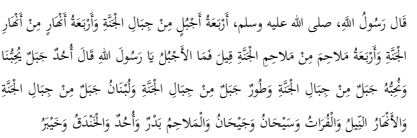
قال رسول الله ﷺ: «أربعة من جبال الجنة، وأربعة من أنهار الجنة، وأربع ملاحم عظام شداد تكون من ملاحم الجنة». قيل: «أي جبال يا رسول الله؟» قال: «أُحُد، جبل يحبنا ونحبه، هو جبل من جبال الجنة، وطور جبل من جبال الجنة، ولبنان جبل من جبال الجنة». «والأنهار: النيل، والفرات، وسيحان، وجيحان، والملاحم العظام الشداد: بدر، وأحد، والخندق، وخيبر».
The Messenger of Allah (peace be upon him) said: “Four mountains are from the mountains of Jannah (paradise) and four rivers are from the rivers of paradise and four fierce great battles will be from the battles of paradise” It was asked: “Which mountains O Messenger of Allah?” He said: “Uhud, a mountain that loves us and we love it, is a mountain from the mountains of paradise, Tur is a mountain from the mountains of paradise and Lubnan is a mountain from among the mountains of paradise. And the rivers are the Nile, Euphrates, Saihan (Oxus) and Jaihan (Jaxartes), while the fierce great battles are Badr, Uhud, Khandaq and Khaibar”.
حدّثنا محمد بن علي بن معيم البلدي، قال: حدّثنا محمد بن عبد الله بن عمر، عن معافى بن عمران، عن كثير بن عبد الله بن عمرو، عن أبيه، عن جده: أن النبي ﷺ قال:
- Muhammad bin ‘Ali bin Mu’aim Al-Baladi related to us from Muhammad bin Abdullah bin ‘Umar, from Ma’afa bin ‘Imran, from Kathir bin Abdullah bin ‘Amr, from his father, from his grandfather: That the Prophet (peace be upon him) said:

"يَا مَعْشَرَ قُرَيْشٍ، اذْكُرُونِي فِي أَصْحَابِي وَأَبْنَائِهِمْ وَأَبْنَاءِ أَبْنَائِهِمْ"ﷺ
“O gathering of the Quraish, keep me in mind in respect to my companions, their sons and the sons of their sons”.
حدّثنا محمد بن ربيع بن سليمان الجيزي، قال: حدّثنا أبو أمية الطرسوسي، عن معاوية بن عمرو، عن أبي إسحاق الفزاري، عن ابن كثير بن عبد الله، عن أبيه، عن جده، قال:
- Muhammad bin Rabi’ bin Sulaiman Al-Jiziy related to us from Abu Umayyah At-Tarsusiy, from Mu’awiyah bin ‘Amr, from Abu Ishaq Al- Fazariy, from Ibn Kathir bin Abdullah, from his father, from his grandfather, who said:

قال رسول الله ﷺ: «لا نُهْبَةَ، ولا خُلْسَةَ، ولا غُلُولَ في المَغْنَمِ، ومَنْ غَلَّ شيئًا فإنَّه يأتي به يومَ القيامة».
The Messenger of Allah (peace be upon him) said: “There is no plundering, no looting and no stealing from the spoils and whoever steals from the spoils will come on the Day of Judgement with that which he stole”.
- حدثنا محمد بن أحمد بن الحسين الأهوازي، قال: حدثنا عمرو بن علي، عن محمد بن خالد بن عثمة، عن كثير بن عبد الله المزني، عن أبيه، عن جده، قال:
- Muhammad bin Ahmad Bin Al-Hussein Al-Ahwaziy related to us from ‘Amr bin ‘Ali, from Muhammad bin Khalid bin ‘Athmah, from Kathir bin Abdullah Al-Muzani, from his father, from his grandfather, who said:

قال رسول الله ﷺ: «لا تقوم الساعة حتى يفتح الله القسطنطينية وروما بالتسبيح والتكبير».
The Messenger of Allah (peace be upon him) said: “The final hour will not come until Allah conquers Constantinople and Rome accompanied by Tasbih and Takbir”.
أَحْمَدُ بْنُ مُحَمَّدِ بْنِ عَبْدِ الْعَزِيزِ بْنِ الْجَعْدِ حَدَّثَنَا عَنْ مُحَمَّدِ بْنِ إِسْحَاقَ الْمَسِيبِيِّ، عَنْ عَبْدِ اللهِ بْنِ مُحَمَّدِ بْنِ سَلْمٍ، عَنْ عَبْدِ الرَّحْمَنِ بْنِ إِبْرَاهِيمَ، عَنْ عَبْدِ اللهِ بْنِ نَافِعٍ، عَنْ كَثِيرِ بْنِ عَبْدِ اللهِ، عَنْ أَبِيهِ، عَنْ جَدِّهِ، عَنِ النَّبِيِّ ﷺ
- Ahmad bin Muhammad bin Abdul ‘Aziz bin Al-Ja’d related to us from Muhammad bin Ishaq Al-Masibi, from Abdullah bin Muhammad bin Salm, from Abdur Rahman bin Ibrahim, from Abdullah bin Nafi’, from Kathir bin Abdullah, from his father, from his grandfather, from the Prophet (peace be upon him):

"قَدْ أَفْلَحَ مَنْ تَزَكَّى" قال: زكاة الفطر.
“The one who gives Zakah has attained success” He said: Zakat ul-Fitr.
- حَدَّثَنَا ابْنُ سَلْمٍ عَنْ عَبْدِ الرَّحْمَنِ، عَنْ عَبْدِ اللَّهِ بْنِ نَافِعٍ، عَنْ كَثِيرِ بْنِ عَبْدِ اللَّهِ، عَنْ أَبِيهِ، عَنْ جَدِّهِ، أَنَّ النَّبِيَّ ﷺ قَالَ:
- Ibn Salm related to us from Abdur Rahman, from Abdullah bin Nafi’, from Kathir bin Abdullah, from his father , from his grandfather, that the Prophet (peace be upon him) said:

«اتَّقُوا زَلَّةَ الْعَالِمِ وَانْتَظِرُوا فَيْئَتَهُ». حَدَّثَنَا أَحْمَدُ بْنُ حَفْصٍ، حَدَّثَنَا الزُّبَيْرُ بْنُ بَكَّارٍ، عَنْ عَبْدِ اللهِ بْنِ نَافِعٍ، مِثْلَهُ. وَحَدَّثَنَا أَحْمَدُ بْنُ عَلِيٍّ الْمَدَائِنِيُّ، حَدَّثَنَا أَحْمَدُ بْنُ مُحَمَّدٍ أَبُو بَكْرٍ الْخَطِيبِيُّ، عَنْ إِسْحَاقَ الْجَنْبِيِّ قَالَ: ذَكَرَهُ كَثِيرُ بْنُ عَبْدِ اللهِ الْمُزَنِيُّ عَنْ أَبِيهِ، عَنْ جَدِّهِ قَالَ: قَالَ رَسُولُ اللهِ ﷺ: مِثْلَ مَا تَقَدَّمَ (أَيِ: «اتَّقُوا زَلَّةَ الْعَالِمِ»).
“Take guard from the slip or lapse of the ‘Aalim (scholar) and so await its recurrence”. Ahmad bin Hafs related to us from Az-Zubair bin Bakkar, from Abdullah bin Nafi’ the same as above. Ahmad bin ‘Ali Al-Mada’ini related to us, from Ahmad bin Muhammad Abu Bakr Al-Hatibi, from Ishaq Al-Janbiy who said: Kathir bin Abdullah Al-Muzani mentioned it from his father, from his grandfather, who said: The Messenger of Allah (peace be upon him) said: The same as above (i.e. “Take guard from the lapse of the ‘Aalim”).
- أحمد بن علي حدثنا محمد بن خريم القزاز، عن هشام بن خالد، عن مروان بن معاوية، عن كثير بن عبد الله المزني، عن أبيه، عن جده:
- Ahmad bin ‘Ali related to us from Muhammad bin Khuraim Al- Qazzaz, from Hisham bin Khalid, from Marwan bin Mu’awiyah, from Kathir bin Abdullah Al-Muzani, from his father, from his grandfather:

أنَّ النَّبِيَّ ﷺ قَالَ لِبِلَالِ بْنِ الْحَارِثِ: «يَا بِلَالُ، اعْلَمْ!». قَالَ: أَنَا مُسْتَعِدٌّ لِأَعْلَمَ يَا رَسُولَ اللَّهِ! قَالَ (مَرَّةً أُخْرَى): «يَا بِلَالُ، اعْلَمْ!». قَالَ: أَنَا مُسْتَعِدٌّ لِأَعْلَمَ يَا رَسُولَ اللَّهِ! فَقَالَ ﷺ: «يَا بِلَالُ، اعْلَمْ أَنَّهُ مَنْ أَحْيَا سُنَّةً مِنْ سُنَّتِي قَدْ أُمِيتَتْ بَعْدِي، فَإِنَّ لَهُ مِنَ الْأَجْرِ مِثْلَ أَجْرِ مَنْ عَمِلَ بِهَا، مِنْ غَيْرِ أَنْ يَنْقُصَ ذَلِكَ مِنْ أُجُورِهِمْ شَيْئًا، وَمَنِ ابْتَدَعَ بِدْعَةَ ضَلَالَةٍ لَا يَرْضَاهَا اللَّهُ وَلَا رَسُولُهُ، فَإِنَّ عَلَيْهِ مِنَ الْإِثْمِ مِثْلَ آثَامِ مَنْ عَمِلَ بِهَا، لَا يَنْقُصُ ذَلِكَ مِنْ أَوْزَارِ النَّاسِ شَيْئًا».
“That the Prophet (peace be upon him) said to Bilal bin Al-Harith: “O Bilal, Know!”. He said: “I am ready to know O Messenger of Allah!” He said (again) “O Bilal, know!” He said: “I am ready to know O Messenger of Allah!” He said: “O Bilal, know that indeed whoever revives a Sunnah from my Sunnah which has died out after me, then for him is a reward similar to whoever acts upon it without diminishing anything from their rewards. And whoever introduces an erroneous innovation which Allah is not pleased with, nor His Messenger, then he shall receive sins similar to whoever acts upon it, without that diminishing anything from the sins of the people”.
- وبالإسناد نفسه عن جدّه، قال:
- With the same Isnad from his grandfather, who said:

حَفِظْتُ عَنْ رَسُولِ اللهِ ﷺ سِتَّ عَشْرَةَ قَاعِدَةً مِنْ قَوَاعِدِ الدِّينِ. قَالَ: قَالَ رَسُولُ اللهِ ﷺ:
“I memorised from the Messenger of Allah (peace be upon him) 16 foundations from the foundations of the Deen”. He said: The Messenger of Allah (peace be upon him) said:

لا دِيَةَ فِي الْعَجْمَاءِ، وَلَا فِي الْبِئْرِ جُبَارٌ، وَفِي الرِّكَازِ الْخُمُسُ
“There is no liability (blood money) for beasts (i.e. from being attacked), there is no liability for wells (i.e. accidents related to them) and a fifth is due from the buried treasure (Rikaz)”.

قال: «لا جَلَبَ ولا جَنَبَ، ولا إِعْتِرَاضَ، ولا بَيْعَ حاضِرٍ لِبادٍ» (أي: لا تُنْقَلُ المَواشي مِنْ مَرْعاها إلى مُصَدِّقِ الزكاة، ولا يُحْبَسُ المال، ولا يَبيعُ الحَضَريُّ للبَدَويِّ).
He said: “There is no Jalab and no Janab (meaning that animals should not be moved away from their place of grazing to the collector of Zakah), there is no obstruction and there is no trade of a townsperson
وَلَا غُلُولَ، وَلَا غَصْبَ، وَلَا سَرِقَةَ مِنَ الْغَنَائِمِ، وَمَنْ سَرَقَ مِنْهَا شَيْئًا فَإِنَّهُ يَأْتِي بِهِ يَوْمَ الْقِيَامَةِ ﷺ
for a Bedouin. And there is no unlawful taking of possession, no plundering, no looting and no stealing from the spoils and whoever steals from the spoils will come with that which he stole on the Day of Judgement”.

قَالَ: «مَنِ ادَّعَى مَوْلًى مِنْ غَيْرِ مَوَالِيهِ، فَعَلَيْهِ لَعْنَةُ اللَّهِ وَغَضَبُهُ، وَلَا يُقْبَلُ مِنْهُ صَرْفٌ وَلَا عَدْلٌ».
He said: “Whoever takes charge of a Mawla from other than his Mawali, then the curse of Allah and His anger will be upon him, and nothing will be accepted from him”.

قَالَ: «مَنْ أَحْدَثَ حَدَثًا (أَيْ: تَعَدَّى عَلَى حُقُوقِ الْآخَرِينَ أَوْ نَقَضَ الْعَهْدَ)، فَعَلَيْهِ لَعْنَةُ اللهِ وَغَضَبُهُ، وَلَا يُقْبَلُ مِنْهُ صَرْفٌ وَلَا عَدْلٌ».
He said: “Whoever commits a crime (i.e. breaching the rights of others or the covenant), then the curse of Allah and His anger will be upon him, and nothing will be accepted from him”.
- وبالإسناد نفسه عن جده، قال: قال رسول الله ﷺ:
- With the same Isnad from his grandfather, he said: The Messenger of Allah (peace be upon him) said:

المسلمون على شروطهم إلا شرطًا أحلّ حرامًا أو حرّم حلالًا.
“The Muslims are upon their conditions apart from the condition which makes the Halal (lawful) Haram (unlawful) or a condition that makes the Haram (unlawful) Halal (lawful)”.
- حدثنا عبد الوهاب بن أبي عثمان، عن إسماعيل بن يزيد الأصبهاني، عن معن بن عيسى، عن كثير بن عبد الله المزني، عن أبيه، عن جده، قال:
- Abdul Wahhab bin Abu ‘Usmah related to us from Isma’il bin Yazid Al-Asbahani, from Ma’n bin ‘Eisa, from Kathir bin Abdullah Al- Muzani, from his father, from his grandfather who said:

سَمِعْتُ رَسُولَ اللَّهِ ﷺ يَقُولُ: «قَامَ فَحَمِدَ اللَّهَ وَأَثْنَى عَلَيْهِ، ثُمَّ قَالَ: يَا أَيُّهَا النَّاسُ، مَنْ كَانَ مِنَ الْحَاجِّ وَالْمُعْتَمِرِينَ وَالْمُسَافِرِينَ عَلَى أَرْضٍ قَفْرٍ، فَهُوَ أَحَقُّ بِالْمَاءِ وَالظِّلِّ، فَلَا تَمْنَعُوا النَّاسَ مِنَ الأَرْضِ»، أَيْ: مِنَ الْوُصُولِ إِلَيْهَا.
I heard the Messenger of Allah (peace be upon him): “He stood, praised Allah and extolled Him. He then said: O people, whoever from those undertaking Hajj and ‘Umrah and those who are travelling are upon deserted land have more right to water and shade and so do not prevent the people from the land (i.e. access)”.
ثم جاء بعد ذلك، في هذه الطبعة المطبوعة، عدد من الأحاديث غير المتصلة التي لا علاقة لها بكثير بن عبد الله على الإطلاق. ويبدو أن أصل الخطأ هو المخطوطة نفسها، ويمكن مراجعة مخطوطات أخرى ومقارنتها بهذه إن أمكن العثور عليها… (بعد ذكر تلك الأحاديث غير المرتبطة يواصل ابن عدي قائلاً):
Following this, there came, in this printed edition, a number of unconnected Ahadeeth which had no relationship with Kathir bin Abdullah at all. It appears that the origin of the error is the manuscript itself and other manuscripts can be revised and compared to this one if they can be found … (Following the mention of those unrelated Ahadeeth Ibn Adiy continues):
قال: حدّثنا أحمد بن حفص السعدي، عن أحمد بن إبراهيم الدورقي، عن عبد الله بن نافع، عن كثير بن عبد الله المزني، عن أبيه، عن جده، قال:
- He (Ibn ‘Adiy) said: Ahmad bin Hafs As-Sa’diy related to us from Ahmad bin Ibrahim Ad-Duraqiy, from Abdullah bin Nafi’, from Kathir bin Abdullah Al-Muzani, from his father, from his grandfather, who said:

قال رسول الله ﷺ: «دَعُوا الْحَبَشَةَ مَا وَدَعُوكُمْ».
The Messenger of Allah (peace be upon him) said: “Leave be those Abyssinians as long as they leave you be”.
حدّث محمد بن الحسن البصريّ، عن محمد بن بكّار العائشيّ، عن محمد بن إسماعيل بن أبي فديك، عن كثير بن عبد الله المُزنيّ، عن أبيه، عن جدّه، أنه قال:
- Muhammad bin Al-Hasan Al-Basriy related from Muhammad bin Bakkar Al-‘Aishi, from Muhammad bin Isma’il bin Abu Fadaik, from Kathir bin Abdullah Al-Muzani, from his father, from his grandfather, who said:

قال النبي ﷺ: «سمع رجلاً يسميه أخضر (خصيباً)، فقال: لبيك، أخذنا وأنتم مما عندكم».
“The Prophet (peace be upon him) heard a man calling it green (luscious) and so he said: We are at your service. We have taken and you have from what is among you” .
- محمد بن الحسن البصري روى عن العباس بن عبد العظيم، عن عبد الله بن جعفر بن أبي كثير الأنصاري، عن كثير بن عبد الله بن عمرو بن عوف المزني، عن أبيه، عن جده، عن بلال بن الحارث المزني:
- Muhammad bin Al-Hasan Al-Basriy related from Al-‘Abbas bin Abdul ‘Azhim, from Abdullah bin Ja’far bin Abu Kathir Al-Ansari, from Kathir bin Abdullah bin ‘Amr bin ‘Awf Al-Muzani, from his father, from his grandfather, from Bilal bin Al-Harith Al-Muzani:

أَنَّ النَّبِيَّ ﷺ كَانَ إِذَا أَرَادَ أَنْ يَقْضِيَ حَاجَتَهُ، ذَهَبَ إِلَى مَكَانٍ بَعِيدٍ.
“That when the Prophet (peace be upon him) wanted to relive himself, he would move away at a distance”.
- عبد الله بن عبد الحميد الواسطي روى عن النضر بن سلامة، عن أبي عزّية محمد بن موسى الأنصاري، قاضي المدينة، عن كثير بن عبد الله، عن أبيه، عن جدّه عمرو بن عوف، قال:
- Abdullah bin Abdul Hamid Al-Wasitiy related from An-Nadr bin Salamah, from Abu ‘Uziyyah Muhammad bin Musa Al-Ansari, the Qadi (Judge) of Al-Madinah, from Kathir bin Abdullah, from his father, from his grandfather ‘Amr bin ‘Awf, who said:

رأيتُ رسولَ اللهِ ﷺ قائماً على المقامِ وهو يقولُ: يا أيها الناسُ، هذهِ القبلةُ، هي قبلةُ المسجدِ، والمسجدُ قبلةُ الدنيا ﷺ.
“I saw the Messenger of Allah (peace be upon him) standing upon the Maqam and he was saying: O people, this Qiblah, it is the Qiblah of the Masjid and the Masjid is the Qiblah of the Dunyaa (world)”.
- محمد بن يوسف بن عاصم البخاري حدثنا أحمد بن إسماعيل القرشي، عن عبد الله بن نافع، عن كثير بن عبد الله، عن أبيه، عن جده:
- Muhammad bin Yusuf bin ‘Asim Al-Bukhari related to us from Ahmad bin Isma’il Al-Qurashi, from Abdullah bin Nafi’, from Kathir bin Abdullah, from his father, from his grandfather:

أنَّ رسولَ اللهِ ﷺ كان في المسجد، فسمع كلامًا من خلفه، وكان القائلُ يقول: "اللهمَّ أعِنِّي بما يُنجيني مما خوَّفتَني منه". فقال رسولُ اللهِ ﷺ حين سمع ذلك: "ألا تُضيفُ إليه أختَه؟" فقال الرجل: "اللهمَّ امنحني شوقَ الصادقين إلى ما زيَّنتَه لهم". ثم قال رسولُ اللهِ ﷺ لأنسِ بنِ مالكٍ الذي كان في صحبته: "اذهب إليه يا أنسُ فقلْ له: إن رسولَ اللهِ ﷺ يقول لك: استغفِرْ لي". فذهب أنسٌ إليه وبلَّغه ذلك. فقال الرجل: "يا أنسُ، أنتَ رسولُ رسولِ اللهِ ﷺ إليَّ؟" فقال: "كما أنتَ". فرجع ليتحقق من ذلك، فقال رسولُ اللهِ ﷺ: "قلْ له: نعم". فقال له الرجل: "اذهب فقلْ له: إن اللهَ فضَّلك على الأنبياءِ كما فضَّل شهرَ رمضانَ على سائرِ الشهورِ، وفضَّل أمتَك على الأممِ كما فضَّل يومَ الجمعةِ على سائرِ الأيامِ". فذهبوا يبحثون، فإذا هو الخَضِرُ، عليه السلام.
“That the Messenger of Allah (peace be upon him) was in the Masjid. He heard speech behind him and the one saying it was saying: “O Allah assist me with which will save me from that which you have made me fearful of”. So, the Messenger of Allah (peace be upon him) said when he heard that: “Will you not include its sister alongside it?” The man then said: “O Allah bestow upon me the longing of the truthful to that which you have made desirable for them”. The Messenger of Allah (peace be upon him) then said to Anas bin Malik who was in his company: “Go to him O Anas and say to him that the Messenger of Allah (peace be upon him) says to you: “Seek forgiveness for me”. So, Anas went to him and conveyed that to him. The man then said: “O Anas, you are the messenger of the Messenger of Allah (peace be upon him), to me. He replied: “Just as you are”. He returned to verify it. The Messenger of Allah (peace be upon him) then said: “Say to him yes”. So, he (the man) said to him: “Go and say to him that Allah has favoured you over the Prophets like He has favoured the month of Ramadan over other months and that He has favoured your Ummah (nation) over the nations like He has favoured the day of Jumu’ah over all of the other days”. They went looking and behold it was Khadir, peace be upon him”.
حدثنا أحمد بن جعفر، قال: حدثنا يعقوب بن إبراهيم الدورقي، قال: حدثنا إبراهيم بن عبد الله الرفاعي، عن كثير بن عبد الله، عن أبيه، عن جده:
- Ahmad bin Ja’far related to us from Ya’qub bin Ibrahim Ad-Duraqi, from Ibrahim bin Abdullah Ar-Rafa’iy, from Kathir bin Abdullah, from his father, from his grandfather:

أنَّ رَسُولَ اللهِ ﷺ صَلَّى عَلَى النَّجَاشِيِّ وَكَبَّرَ خَمْسَ تَكْبِيرَاتٍ
“That the Messenger of Allah (peace be upon him) prayed over the Najashi (Negus of Abyssinia) and did five Takbirs”.
حدثنا عمران بن موسى، قال: حدثنا إبراهيم بن المنذر، عن أبي الجعد عبد الرحمن بن عبد الله السلمي، عن كثير بن عبد الله المزني، عن أبيه، عن جده، قال:
- ‘Imran bin Musa related to us from Ibrahim bin Al-Mundhir, from Abu Al-Ja’d Abdur Rahman bin Abdullah As-Salmiy, from Kathir bin Abdullah Al-Muzani, from his father, from his grandfather, who said:

قَالَ رَسُولُ اللهِ ﷺ: «يُعْرَضُ الفَرَسُ يَوْمَ سَقْيِهِ».
“The Messenger of Allah (peace be upon him) said: “the horse is offered the day of its watering”.
بقيت أحاديث قليلة يرويها كثير بن عبد الله عن أبيه، عن جده، وأكثر ما ذكرتُه وما رواه لا يوجد ما يوافقها أو يشهد لها (أي أنه تفرّد بروايتها). - حدثنا بهلول بن إسحاق، قال: حدثنا إسماعيل بن أبي أويس، عن كثير بن عبد الله المزني، عن رُبيح بن عبد الرحمن بن أبي سعيد الخدري، عن أبيه، عن جده، قال:
There are still a small number of Ahadeeth related by Kathir bin Abdullah from his father, from his grandfather remaining and most of his Ahadeeth which I mentioned and most of what he related, does not have that which conforms (or supports) them (i.e. he is alone in narrating them). - Bahlul bin Ishaq related to us from Isma’il bin Abu Uwais, from Kathir bin Abdullah Al-Muzani, from Rubaih bin Abdur Rahman bin Abu Sa’id Al-Kudri, from his father, from his grandfather, who said:

رأيتُ رجالاً من العرب (أي الأعراب) يأتون رسولَ الله ﷺ، فقالوا: يا رسولَ الله، إنا قومٌ أهلُ مواشٍ، ونُخرجُ منها صدقتَنا (أي زكاتَنا)، فهل يُجزئُ عنا زكاةُ رمضان؟ فقال رسولُ الله ﷺ: «لا، إنها تُؤخذُ من الصغيرِ والكبيرِ، والحرِّ والعبدِ، وهي طُهرةٌ لكم». وقال أبو سعيد الخدري: رأيتُ في العامِ الذي كثُرت فيه المواشي وقلّ فيه الزرعُ الأبيضُ أكثرَ من الأسود. ثم رأيتُ في العامِ الذي بعده أن الزرعَ كثُر والمواشيَ السوداءَ قلّت أكثرَ من البيضاء. قال ابنُ عدي: ولا أعلمُ أحداً يرويه عن ربيعة غيرَ كثيرِ بنِ عبدِ الله.
“I saw men from the Arabs (i.e. Bedouins) approaching the Messenger of Allah (peace be upon him). They said: “O Messenger of Allah, we are people possessing livestock and we take out from them our Sadaqah (i.e. Zakat) and so does that also cover for us the Zakat of Ramadan?” The Messenger of Allah (peace be upon him) said: “No, it is taken from the child and the adult, from the free and the slave. It is a purification for you”. Abu Sa’id Al-Khudri said: I saw in the year that the herds were plentiful and that the white crops diminished more than the black. I then saw in the year following that the crops were plentiful and that the black herds were diminished more than the white”. I do not know anyone relating this Hadith from Rubaih apart from Kathir bin Abdullah] [End of quote of Ibn ‘Adiy].
قلتُ: أما قولُ ابنِ عَدِيٍّ: «بقيَ لكثيرِ بنِ عبدِ اللهِ، عن أبيهِ، عن جدِّهِ، أحاديثُ يسيرةٌ، وأكثرُ أحاديثِهِ التي ذكرتُها وأكثرُ ما يرويهِ لا يتابعُهُ عليه»، فإنَّ هذا لا يعني الحكمَ بعدمِ الوثاقةِ أو تصنيفَهُ بالضعفِ؛ وذلك لأنَّ مجردَ تفرُّدِهِ بروايةِ الأحاديثِ، «وأكثرُ ما يرويهِ لا يتابعُهُ عليه»، لا يقتضي الضعفَ أو عدمَ الوثاقةِ، خصوصًا فيمن هو من أحفادِ الصحابةِ المشهورين، كحالِ بَهْزِ بنِ حكيمٍ على سبيلِ المثال. وكأنَّ ابنَ عَدِيٍّ آثرَ السلامةَ، فاختارَ الهروبَ من إصدارِ حكمٍ على الرجلِ؛ لأنَّهُ إذا أرادَ بيانَ ضعفِ الرجلِ أو خللِهِ غالبًا ما يقولُ: «وفي حديثِهِ بَيِّنُ الضعفِ»، أو عباراتٍ شبيهةً بذلك، بينما إذا أرادَ بيانَ وثاقةِ الراوي وصحةِ حديثِهِ قالَ: «لم أجدْ له حديثًا منكرًا»، أو «لم أجدْ له منكرًا إذا رواهُ عنه الثقةُ». والظاهرُ أنَّهُ لم يصلْ إلى البخاريِّ شيءٌ سوى ما حدَّثَهُ به شيخُهُ إسماعيلُ بنُ أبي أُوَيْسٍ: «سمعتُ كثيرَ بنَ عبدِ اللهِ بنِ عمرِو بنِ عوفِ بنِ زيدِ بنِ مِلْحَةَ المُزَنِيَّ سنةَ ثمانٍ وخمسين ومائةٍ، ثم سنةَ إحدى أو اثنتين وستين ومائةٍ».
I say: Concerning the statement of Ibn ‘Adiy: “There are still a small number of Ahadeeth related by Kathir bin Abdullah from his father, from his grandfather remaining and most of his Ahadeeth which I mentioned and most of what he related, does not have that which conforms (or supports) them (i.e. he is alone in narrating them)”, then this does not mean the declaration of unreliability or classification of weakness. That is because the mere being alone in relating Ahadeeth “most of what he related, does not have that which conforms (or supports) them”, especially in respect to the one who is from the infamous grandchildren of the Sahabah (like the case of Bahz bin Hakim for instance), does not dictate weakness or unreliability. It is as if Ibn ‘Adiy preferred to remain safe and chose to escape from issuing a verdict upon the man. That is because when he wants to express the unreliability or defectiveness of a man, he usually states: “And the weakness is evident in his Hadith” or words which are similar to that. That is whilst if he wants to declare the reliability and soundness of a narrator he says: “I did not find anything Munkar (rejectable) in relation to him” or “I did not find anything Munkar of his if a Thiqah (reliable and trustworthy narrator) related from him”. It is apparent that nothing reached him from Al-Bukhari apart from what his Sheikh Isma’il bin Abu Uwais related to him: “I heard (or received from) Kathir bin Abdullah bin ‘Amr bin ‘Awf bin Yazid bin Milhah Al-Muzani in the year 158 then the year 161 or 162”.


أنَّ رسولَ اللهِ ﷺ كان في المسجد، فسمع كلامًا من خلفه، وكان القائلُ يقول: "اللهمَّ أعِنِّي بما يُنجيني مما خوَّفتَني منه". فقال رسولُ اللهِ ﷺ حين سمع ذلك: "ألا تُضيفُ إليه أختَه؟" فقال الرجل: "اللهمَّ امنحني شوقَ الصادقين إلى ما زيَّنتَه لهم". ثم قال رسولُ اللهِ ﷺ لأنسِ بنِ مالكٍ الذي كان في صحبته: "اذهب إليه يا أنسُ فقلْ له: إن رسولَ اللهِ ﷺ يقول لك: استغفِرْ لي". فذهب أنسٌ إليه وبلَّغه ذلك. فقال الرجل: "يا أنسُ، أنتَ رسولُ رسولِ اللهِ ﷺ إليَّ؟" فقال: "كما أنتَ". فرجع ليتحقق من ذلك، فقال رسولُ اللهِ ﷺ: "قلْ له: نعم". فقال له الرجل: "اذهب فقلْ له: إن اللهَ فضَّلك على الأنبياءِ كما فضَّل شهرَ رمضانَ على سائرِ الشهورِ، وفضَّل أمتَك على الأممِ كما فضَّل يومَ الجمعةِ على سائرِ الأيامِ". فذهبوا يبحثون، فإذا هو الخَضِرُ، عليه السلام.
“That the Messenger of Allah (peace be upon him) was in the Masjid. He heard speech behind him and the one saying it was saying: “O Allah assist me with which will save me from that which you have made me fearful of”. So, the Messenger of Allah (peace be upon him) said when he heard that: “Will you not include its sister alongside it?” The man then said: “O Allah bestow upon me the longing of the truthful to that which you have made desirable for them”. The Messenger of Allah (peace be upon him) then said to Anas bin Malik who was in his company: “Go to him O Anas and say to him that the Messenger of Allah (peace be upon him) says to you: “Seek forgiveness for me”. So, Anas went to him and conveyed that to him. The man then said: “O Anas, you are the messenger of the Messenger of Allah (peace be upon him), to me. He replied: “Just as you are”. He returned to verify it. The Messenger of Allah (peace be upon him) then said: “Say to him yes”. So, he (the man) said to him: “Go and say to him that Allah has favoured you over the Prophets like He has favoured the month of Ramadan over other months and that He has favoured your Ummah (nation) over the nations like He has favoured the day of Jumu’ah over all of the other days”. They went looking and behold it was Khadir, peace be upon him”.
لقد بحثنا عن هذه الرواية في كل مكان يمكن تصوره، فلم نجدها إلا من هذا الطريق عن الإمام ابن عدي. وقد نُسبت إليه أيضًا في كتاب «أنيس الساري في تخريج أحاديث فتح الباري» (9/6578/4610).
We searched for this narration in every conceivable place but we were unable to find it except from this path of Imam Ibn ‘Adiy. The narration is also attributed to him in the book “Unais As-Saari Fee Takhrij Ahadeeth Fat’h ul-Baari” (9/6578/4610):

قال عمرو بن عوف: «أن النبي ﷺ سمع كلاماً وهو في المسجد، فقال: يا أنس، اذهب إلى الذي قال ذلك فقل له: يستغفر لي». فذهب أنس إلى الرجل، فقال له الرجل: «قل له إن الله قد فضّلك على الأنبياء بما فضّل به رمضان على سائر الشهور». قال: «ثم ذهبوا ينظرون، فإذا هو الخضر». قال الحافظ (ابن حجر): «هو حديث ضعيف أخرجه ابن عدي من طريق كثير بن عمرو بن عوف، عن أبيه، عن جده، وهو إسناد ضعيف». وروى ابن عساكر نحوه من حديث أنس بإسناد أضعف منه. (٧/٢٤٥ – كتاب أحاديث الأنبياء – باب حديث الخضر مع موسى عليه السلام). وهو حديث شديد الضعف. رواه من حديث عمرو بن عوف ومن حديث أنس. أما حديث عمرو بن عوف فقد أخرجه ابن عدي (٦/٢٠٨٣) من طريق عبد الله بن نافع الصائغ، عن كثير بن عبد الله، عن أبيه، عن جده: «أن رسول الله ﷺ كان في المسجد، فسمع كلاماً … إلخ …».
[‘Amr bin ‘Awf related: “That the Prophet (peace be upon him) heard speech whilst he was in the Masjid and then said: “O Anas, go to the one who said that and ask him to seek forgiveness for me”. Anas went to the man and he (the man) said to him: “Say (to him i.e. the Prophet) that verily Allah has favoured you over the Prophets by that which he has favoured Ramadan over the remaining months”. He said: They then went to see and behold it was Khadir”. Al-Hafizh (Ibn Hajar) said: “It is a weak Hadith which Ibn ‘Adiy extracted via the path of Kathir bin ‘Amr bin ‘Awf, from his father, from his grandfather, and it is a weak Isnad (chain of transmission)”. Ibn ‘Asakir related similar to it from the Hadith of Anas, with a chain of transmission which is weaker than it” (7/245 – The book of the Ahadeeth of the Prophets – Chapter: The Hadith of Al-Khadir with Musa, peace be upon him). It is very weak. He related from the Hadith of ‘Amr bin ‘Awf and the Hadith of Anas. As for the Hsdith of ‘Amr bin ‘Awf, then Ibn ‘Adiy extracted it (6/2083) via the path of Abdullah bin Nafi’ As-Sa’igh from Kathir bin Abdullah, from his father, from his grandfather: “That the Messenger of Allah (peace be upon him) was in the Masjid and then he heard speech … etc …].
كما يتبيّن، فإنّ الحافظ (ابن حجر) نسب الحديث إلى كثير بن عبد الله، بينما نسبه أبو حذيفة نبيل بن منصور بن يعقوب بن سلطان البِسارَة الكويتي، صاحب كتاب «أنيس الساري»، إلى عبد الله بن نافع الصائغ عن كثير بن عبد الله. ومع ذلك، فكلاهما وقع في تقصيرٍ شنيعٍ في هذا الشأن.
As can be seen, Al-Hafizh (Ibn Hajar) attributed the narration to Kathir bin Abdullah whilst Abu Hudhaifah Nabil bin Mansur bin Ya’qub bin Sultan Al-Bisarah Al-Kuwitiy, the author of “Unais As- Saari”, attributed it to Abdullah bin Nafi’ As-Sa’igh from Kathir bin Abdullah. However, both of them are guilty of an obscene shortcoming in respect to this.
الحقيقة أنه ليس من حديث كثير بن عبد الله ولا من حديث عبد الله بن نافع الصائغ عن كثير، بل هو من مصنوعات أحمد بن إسماعيل القرشي.
The truth is that it is not from the Hadith of Kathir bin Abdullah nor the Hadith of Abdullah bin Nafi’ As-Sa’igh from Kathir. Rather, it is from the handiworks of Ahmad bin Isma’il Al-Qurashi.

أن رسول الله ﷺ قال: «إنَّ الدِّينَ لَيَأرِزُ إلى الحِجازِ كما تَأرِزُ الحيَّةُ إلى جُحرِها، وإنَّ الدِّينَ ليَعقِلُ بالحِجازِ كما تَعقِلُ الأَيْلُ بِفَيءِ الجَبَلِ، وإنَّ الدِّينَ بَدأ غريباً وسيعودُ كما بدأ غريباً، فطوبى للغرباءِ، الذين يُصلِحونَ ما أفسَدَ الناسُ مِن بَعدي مِن سُنَّتي».
That the Messenger of Allah (peace be upon him) said: “Verily, the Deen will retreat back to the Hijaz as a snake retreats back to its hole, and the Deen will seek refuge in the Hijaz as the mountain goat seeks refuge in the mountain top. The Deen began as something strange and will return as something strange. Blessed are the strangers; those who will rectify what the people after me have corrupted from my Sunnah”.
قال بعضهم: كثير، لو سكتوا عنه لكان أنفع. وإنما تكلم فيه الجهال ودوافعه (أو صلاته). سمعتُ ابن أويس يقول: سألني مالك عن حديثه، وروى عنه يحيى بن سعيد الأنصاري. ولا أشك أني سمعتُ إبراهيم بن المنذر (وإن لم أكن سمعته منه فإن ثقةً حدثني به) أنه قال: كان كثير يزعم أن النبي ﷺ أقطع جده أرضًا، وكان يخاصم أهل تلك الناحية، وكان كثير الخصومة، فذهب إلى ابن عمران ليخاصمه، فقال له عمران: يا كثير، إنك رجل معتدٍّ كثير الخصومة فيما لا تعلم، تدّعي ما ليس لك، ولا بيّنة لك على ما تطلب، فلا تأتني، ولا أراك حتى ترى أني قد فرغت نفسي لأهل الباطل، فإن رأيت ذلك فائتني. فذات يوم كان ابن عمران عندنا، فإذا كثير بن عبد الله قد أتاه، فقال: ألم أقل لك لا تأتني حتى ترى أني قد فرغت نفسي لأهل الباطل؟ فقال كثير: صدقتَ، أصلح الله القاضي، إنما جئتك حين جاءك أهل الباطل، جاءك فلان وفلان، فهما من أهل الباطل، فجئت معهما. وكان من أمر ابن عمران أن قال له: "وقال أبو يوسف: أمره أن يلزم الأسطوانة حتى يقوم من مجلس القضاء". وقال أبو يوسف: كانوا من المتعصبين لابن عمران. وقد ذُكر هذا أيضًا في نسخة "الشاملة للمعرفة والتاريخ" (ص 62 – حسب ترقيم المكتبة الإلكترونية الشاملة).
Some have spoken about Kathir who had they been silent about him it would have been more beneficial. Indeed, only the ignorant have spoken about him and his motives (or relations). I heard Ibn Uwais saying: Malik asked me about his Hadith and Yahya bin Sa’id Al-Ansari related from him. I have no doubt that I heard Ibrahim bin Al- Mundhir (And if I didn’t hear it from him, then a Thiqah related it to me) that he said: “Kathir used to claim that the Prophet (peace be upon him) had granted his grandfather land and he used to dispute with those in that area. He used to quarrel a lot. He went to Ibn ‘Imran to quarrel and so ‘Imran said to him: “O Kathir, indeed you are an idle man who quarrels a lot in respect to that which you don’t know, you claim that which does not belong to you and you have no evidence from what you demand. So, don’t approach me and I will not let me see you unless you see that I have freed my time for the people of falsehood. If you see that, then come”. One day Ibn ‘Imran was with us and then behold Kathir bin Abdullah had approached him. He (Ibn ‘Imran) said: “Did I not tell you to not come to me unless you see me having freed my time for the people of falsehood?” Kathir then replied: ““You have said the truth, may Allah make good the affair of the Qadi. Indeed, I only came to you when the people of falsehood came to you. So and so and so and so person came to you. They are both people of falsehood and so I came along with them both”. It was from the command of Ibn ‘Imran to him. Abu Yusuf said: “He commanded to remain fast to the column until he had stood from judicial proceedings”. Abu Yusuf said: “They were from those devoted to Ibn ‘Imran]. This has also been recorded in the transcript of “Ash-Shamela Lil- Ma’rifah Wa At-Tarikh” (p. 62 – by the numbering of the Shamela E- library).